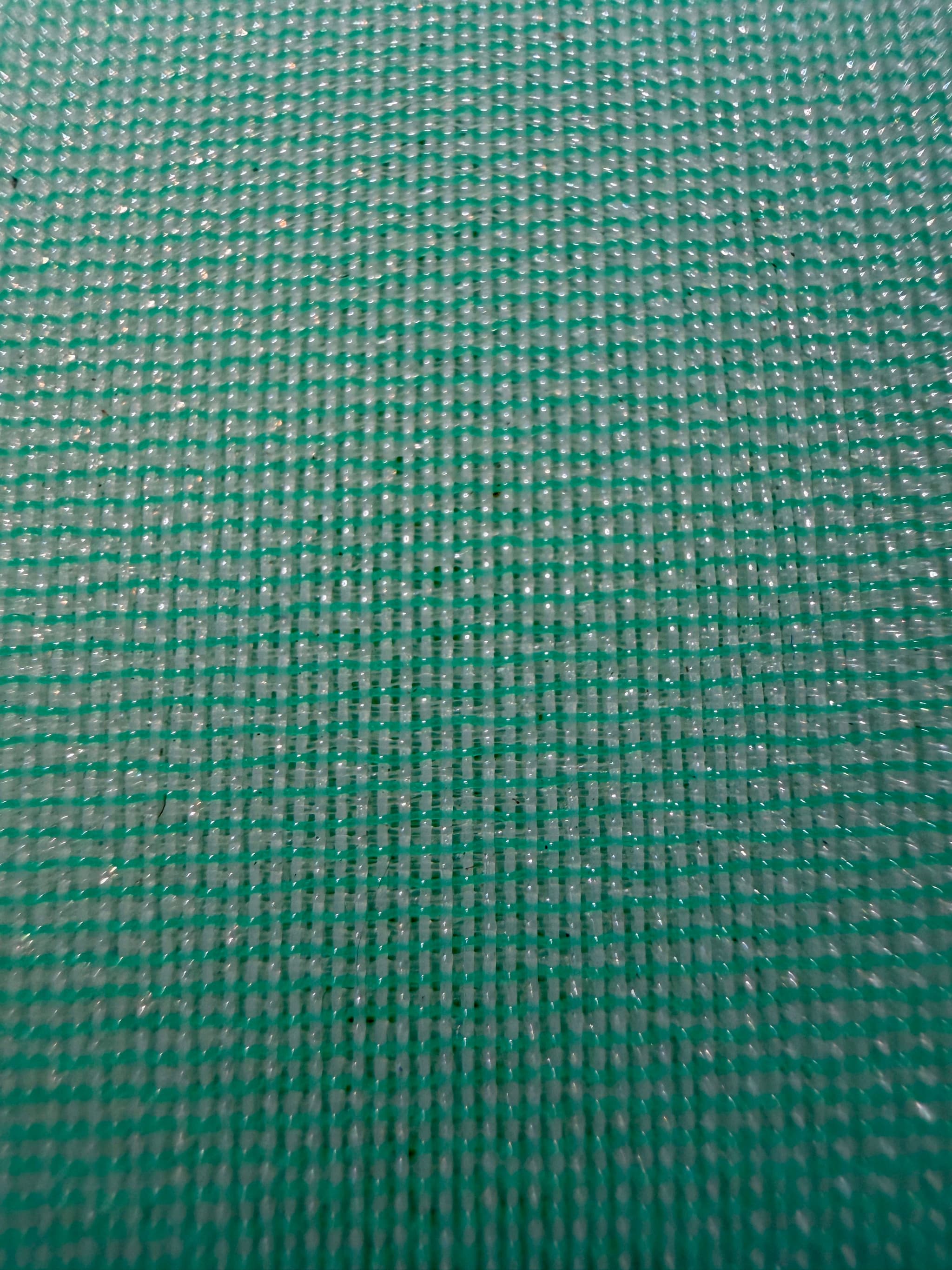
Reduce wear by reviewing the whole forming section
When a forming fabric shows wear, the useful starting point is not to assume that the fabric alone is at fault. The forming section is a system: fabric travel, guidance, drainage elements, cleaning, machine condition and operating practice all affect what the team sees on the machine.
This checklist helps a mill collect evidence before making a change. It is not a substitute for the mill's safety procedures, equipment inspection requirements or a position-specific engineering review.
Explore the Paper Machine Clothing system and forming fabrics for paper machines.
1. Identify where and how the wear appears
Record the exact machine-side, paper-side or edge location of the wear, its direction, and whether it is uniform or local. Note the date first observed and whether the pattern changes after a shutdown, cleaning action, grade change or guide adjustment.
Use labelled photos taken from repeatable positions where the mill permits it. A photo record helps compare a developing pattern without relying only on memory.
| Inspection record | Review question |
|---|---|
| Wear location | Is the condition local, edge-related or spread across the fabric? |
| Pattern direction | Does the pattern follow the travel direction or a fixed contact point? |
| Timing | When was it first noticed and what changed around that time? |
| Operating context | Which grade and normal conditions were running when it was observed? |
| Previous actions | What was inspected or adjusted before and after the observation? |
2. Review guidance and tracking before altering the fabric
Guiding issues should be recorded as a running condition, not just described as "off-centre." Note the direction of movement, when it occurs, relevant guide response, and any recent adjustment. Check the existing machine procedure before making a correction.
For a step-by-step record format, see Forming Fabric Guiding Problems. It is designed to help a team gather a clear sequence of observations before selecting a corrective action.
3. Inspect contact conditions during an approved stop
During an approved inspection, review the fabric path and the condition of components that contact or support the fabric. Look for the exact location of a local pattern and record observations rather than assigning a cause immediately.
The useful question is whether the observed pattern aligns with a specific contact location, guide area, cleaning area or another repeatable point in the path. Any equipment correction should follow the mill's maintenance and safety process.
4. Record shower and cleaning practice
Document the current shower and cleaning practice: where it is applied, when it is used, what was changed recently, and whether the wear pattern changed afterward. Cleaning practice may be relevant to a review, but an observed pattern alone does not prove a cleaning-related cause.
Keep the review focused. Avoid changing several cleaning, guide and operating variables at once; otherwise the team may lose the comparison needed to understand a later result.
5. Review drainage and sheet-support observations with the fabric condition
Forming fabric wear should be discussed together with the condition of the forming section. Record any relevant drainage or sheet-formation observations under comparable running conditions, then review them with the fabric pattern and the machine-position history.
The forming-section guide explains why fabric, drainage elements and operation should be reviewed as one system. It is complementary to this wear checklist, not a replacement for it.
6. Keep tension data in context
Do not use a single tension value as a universal target. If the mill takes tension readings, record the instrument, method, location, date and machine condition so the data can be compared meaningfully over time.
Paper Machine Fabric Tension Checks gives a practical record-first approach before any adjustment to forming fabrics, press felts or dryer fabrics.
7. Prepare a technical review rather than a generic replacement request
If a replacement or technical review is needed, send the supplier a concise package: the exact machine position, paper grade, dimensions, current fabric information, wear photographs, timing of the observation, and the inspections already completed. Include machine drawings or approved records when available.
This helps a supplier identify what still needs confirmation. It does not guarantee a cause or a result before the machine conditions are reviewed.
Forming-fabric wear review checklist
Before the next technical discussion, confirm that you have:
- Marked the exact wear location and direction.
- Recorded when the pattern first appeared.
- Collected comparable operating and inspection notes.
- Reviewed guidance and tracking history.
- Recorded the relevant contact, shower and cleaning observations.
- Preserved tension measurements with their method and context.
- Prepared current fabric details, dimensions and approved photos.
For support with a position-specific forming-fabric review, contact PAPTEX or start with the fabric selection assistant.
Frequently asked questions
Can I reduce forming-fabric wear by changing only the fabric specification?
Not necessarily. A specification review may be appropriate, but the observed wear should first be assessed with guidance, contact, cleaning and operating conditions for the actual machine position.
What evidence is most useful when reporting forming-fabric wear?
The most useful package identifies the position, fabric details, dimensions, location and pattern of wear, timing, comparable operating context, inspection notes and approved photos.
Should tension be adjusted whenever wear is found?
No universal adjustment follows from an observed wear pattern. Record measurements consistently and follow the mill's procedure before any change is considered.