Paper Machine Clothing
From forming to drying, complete PMC solutions for every section of your paper machine.
Forming Fabric
Forming fabric product families for paper-machine forming sections. Structure and parameters should be reviewed against paper grade, former configuration, drainage needs and actual machine conditions.

PAPTEX 2B3616 2.5-Layer Forming Fabric
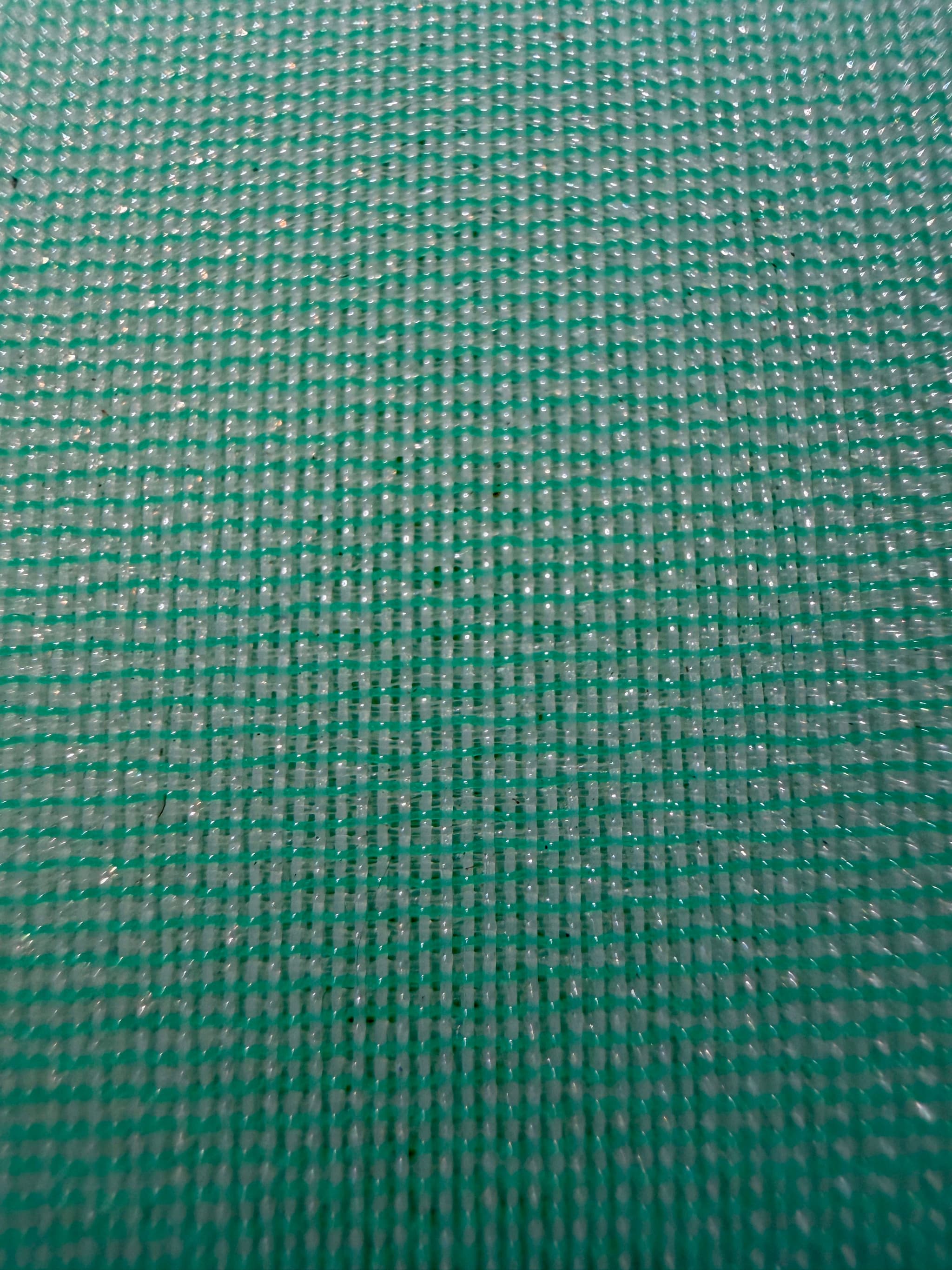
2B3616 2.5-Layer Forming Fabric2B3616 is an 8/16-shed 2.5-layer forming fabric for paper-machine forming sections. The values below are transcribed from the reviewed technical recommendation sheet. Final fabric selection must be confirmed against the machine conditions, paper grade and dimensions.The product image is representative of the forming-fabric family and is not a unit-specific inspection image.
PAPTEX 2B603516 2.5-Layer Forming Fabric
2B603516 2.5-Layer Forming Fabric2B603516 is an 8/16-shed 2.5-layer forming fabric for paper-machine forming sections. The values below are transcribed from the reviewed technical recommendation sheet. Final fabric selection must be confirmed against the machine conditions, paper grade and dimensions.The product image is representative of the forming-fabric family and is not a unit-specific inspection image.

PAPTEX 2C60188 8-Shed Forming Fabric
2C60188 8-Shed Forming Fabric2C60188 is an 8-shed forming fabric for paper-machine forming sections. The values below are transcribed from the reviewed technical parameter sheet. Final fabric selection must be confirmed against the machine conditions, paper grade and dimensions.The product image is representative of the forming-fabric family and is not a unit-specific inspection image.
Dryer Fabric
Dryer fabric product families for paper-machine dryer sections. Structure, seam and permeability should be reviewed against dryer position and actual operating conditions.

PAPTEX GW22504K Hydrolysis-Resistant Flat-Woven Dryer Fabric
GW22504K Round-Yarn Dryer Fabric Selection GW22504K is a 4-shed double-layer flat-woven dryer fabric with a spiral seam and hydrolysis-resistant PET round yarns in both directions. A replacement review needs the exact dryer-section position, current fabric specification and operating conditions as well as fabric length and width. The product image represents the dryer-fabric family and is not an inspection photograph of an individual delivered fabric. GW22504K vs BGW22608: round yarn or flat yarn? Flat-woven and flat-yarn describe different things. The GW22504K sheet specifies round warp and weft yarns; BGW22608 uses flat warp yarns and round weft yarns. Identify the construction before comparing permeability and caliper, rather than choosing a replacement from the product name alone. Round-yarn and flat-yarn dryer fabric specifications from the source sheetsParameterGW22504KBGW22608Construction4-shed double-layer8-shed 1.5-layerWarp yarnØ0.50 mm PET (round)0.60 × 0.40 mm PET (flat)Weft yarnØ0.50 mm PETØ0.60 / Ø0.50 mm PETAir permeability11,200 m³/m²h (709 CFM)4,740 m³/m²h (300 CFM)Caliper2.00 mm1.60 mm Both sheets list fabric tenacity at break of ≥2,000 N/cm. This is neither an operating-tension rating nor a seam-strength value. The GW22504K sheet describes a spiral seam; the BGW22608 sheet describes a mini-ring seam. Confirm seam compatibility and dimensions separately. See the complete BGW22608 flat-yarn dryer fabric specifications. Is higher air permeability always the better choice? Air permeability alone does not determine the right fabric. These are the values recorded in the two sheets; neither states the test pressure. Confirm comparable test conditions when checking a current fabric or another supplier's specification. These numbers do not predict drying output, steam savings or service life. A selection review should consider the installation position, paper grade and basis weight, operating speed, and available temperature, humidity and ventilation records together. Describe when and where the current fabric experiences deposits, guiding difficulties, wear, seam problems or uneven drying so that the fabric specification and operating conditions can both be reviewed. What to send for a dryer fabric selection review Paper grade, basis-weight range, operating speed, dryer group and top or bottom fabric position.Fabric length and width, current model, construction, air permeability and its test conditions if known.Current seam type, seam and wear photographs, and machine-builder installation and operating requirements.The issue to address, its location and frequency, plus available temperature, humidity, ventilation, tension or cleaning records. Start with the blank machine clothing review form (CSV) and include additional records with your enquiry. Leave unavailable details blank or mark them as unknown. Then request a GW22504K technical review, or compare other constructions in the dryer fabric product range. Parameter sources: PAPTEX technical parameter sheets for GW22504K and BGW22608. Final specifications require confirmation against actual operating conditions.
Flat Yarn Dryer Fabric
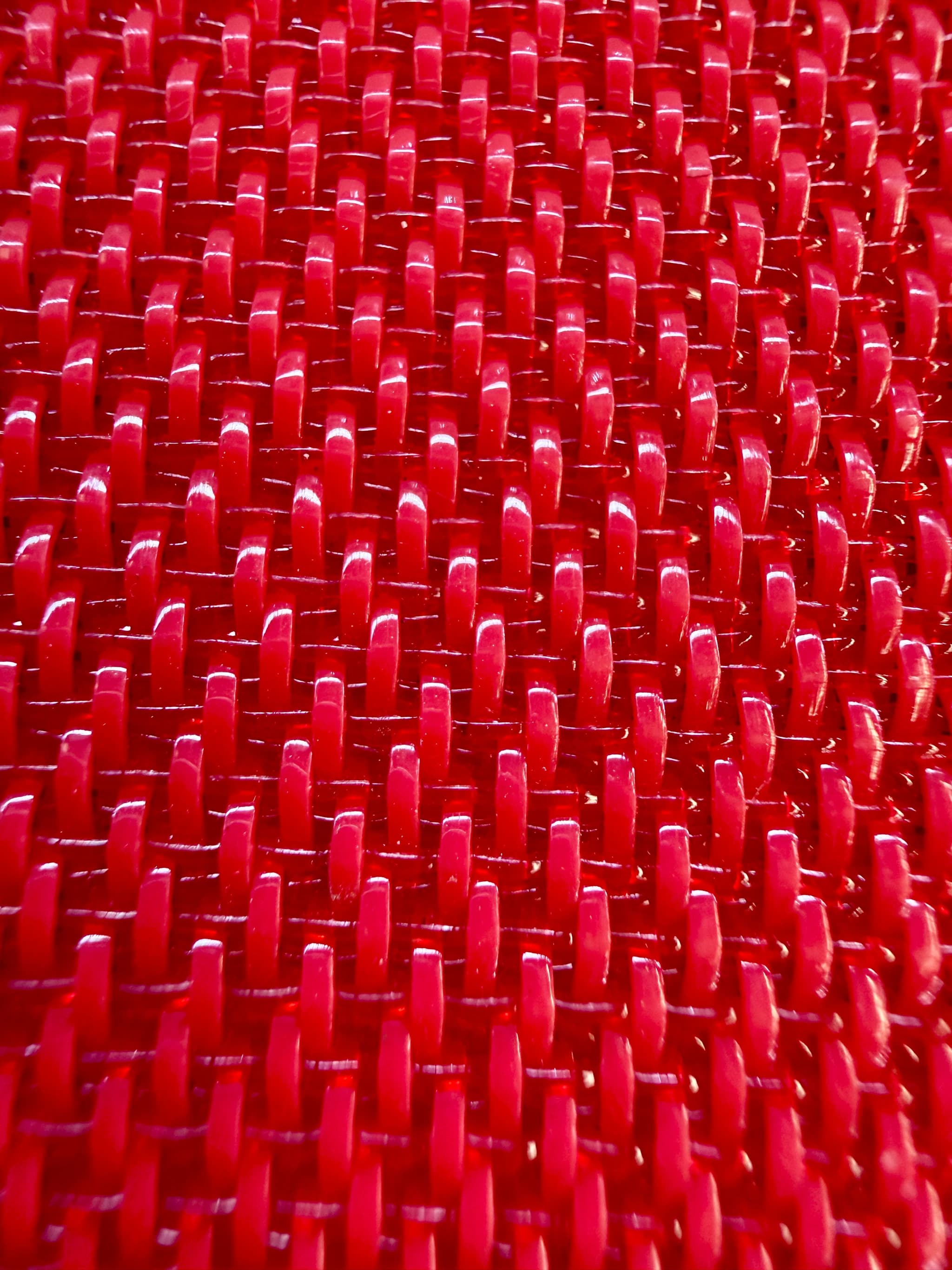
Flat Yarn Dryer FabricFlat yarn dryer fabrics are selected for paper-machine dryer sections where sheet support, permeability and contact conditions must be reviewed together.Selection should consider paper grade, dryer arrangement, moisture load, machine conditions, cleaning practice and the current fabric specification. Send these operating details for an engineering review.
Spiral Dryer Fabric
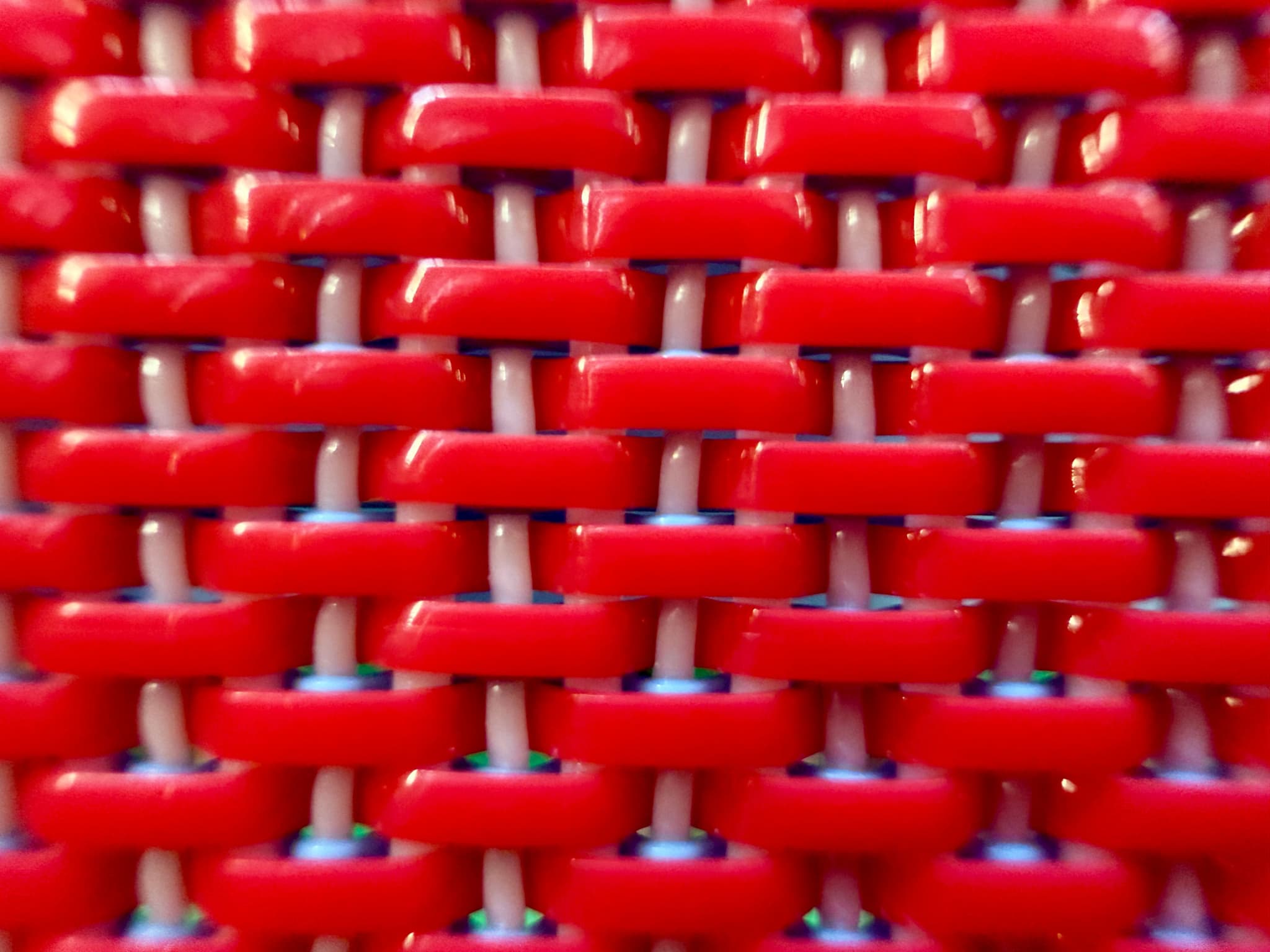
Spiral Dryer FabricSpiral dryer fabrics are selected for paper-machine dryer sections when a spiral-link construction and an installation seam are required.Spiral size, joining yarn, seam design and permeability should be confirmed against paper grade, dryer configuration and the current fabric specification. Send these operating details for an engineering review.
Press Fabric
Press fabrics optimized for maximum nip dewatering, sheet surface quality, and long service life. Available in BOM, Laminated, and Needle Felt constructions.

BOM Press Fabric
Product OverviewPAPTEX BOM press fabric is supplied for paper-machine press section.Selection BasisFinal construction and configuration should be confirmed against paper grade, press configuration, dewatering requirements and operating conditions.

Laminated Press Felt for Paper Machines
Laminated Press Felt for Position-Specific Review A laminated press felt uses multiple base-fabric layers beneath the batt system. It should be evaluated for a defined press position rather than treated as a universal replacement for another felt construction. When to Evaluate a Laminated Construction Include a laminated construction in the technical comparison when the mill needs to review water handling, void-volume recovery, dimensional stability or conditioning behaviour for a specific nip or shoe-press position. Final construction must be confirmed from the actual press geometry, loading, paper grade and current-felt evidence. Information Required Before Selection Paper grade and basis-weight range Press position, press type and nip arrangement Current felt construction, dimensions, GSM and available permeability data Loading or machine-builder limits available for the position Observed dewatering, moisture profile, conditioning and run-history changes Review the press felt selection guide before comparing constructions, then use the press felt product range to continue a position-specific technical review.

Needle Felt Press Fabric
Product OverviewPAPTEX Needle felt press fabric is supplied for paper-machine press section.Selection BasisFinal construction and configuration should be confirmed against paper grade, press configuration, dewatering requirements and operating conditions.
Dewatering Belt
Heavy-duty sludge dewatering belts for effluent treatment in pulp and paper mills. High void volume for efficient sludge dewatering.

Monofilament
High-quality virgin polyester monofilament yarns for paper machine clothing manufacturing and repair. Available in diameters from 0.08mm to 1.0mm.

Filter Fabric
Industrial filter and dewatering fabrics for environmental applications including sludge dewatering, effluent treatment, and chemical filtration. Chemical and pH resistant.

Non-woven Mesh
Specialized mesh fabrics for non-woven production including spunbond, meltblown, spunlace, and needle-punch processes. Uniform air distribution with fine mesh surface.

Not Sure Which Fabric You Need?
Use our Fabric Finder tool or contact our engineers for a personalized recommendation.