The Forming Section Is a System, Not Just a Fabric Position
The forming section begins the work of removing water and creating a stable web. Its result depends on the relationship between the forming fabric, stock delivery, drainage elements, vacuum, machine geometry and operating conditions. Looking at one component alone can miss the reason a paper-quality or drainage symptom has appeared.
For a useful review, start with the machine position, paper grade and time sequence. Then look at how the sheet and fabric are behaving through the forming path.
1. What the Forming Fabric Contributes
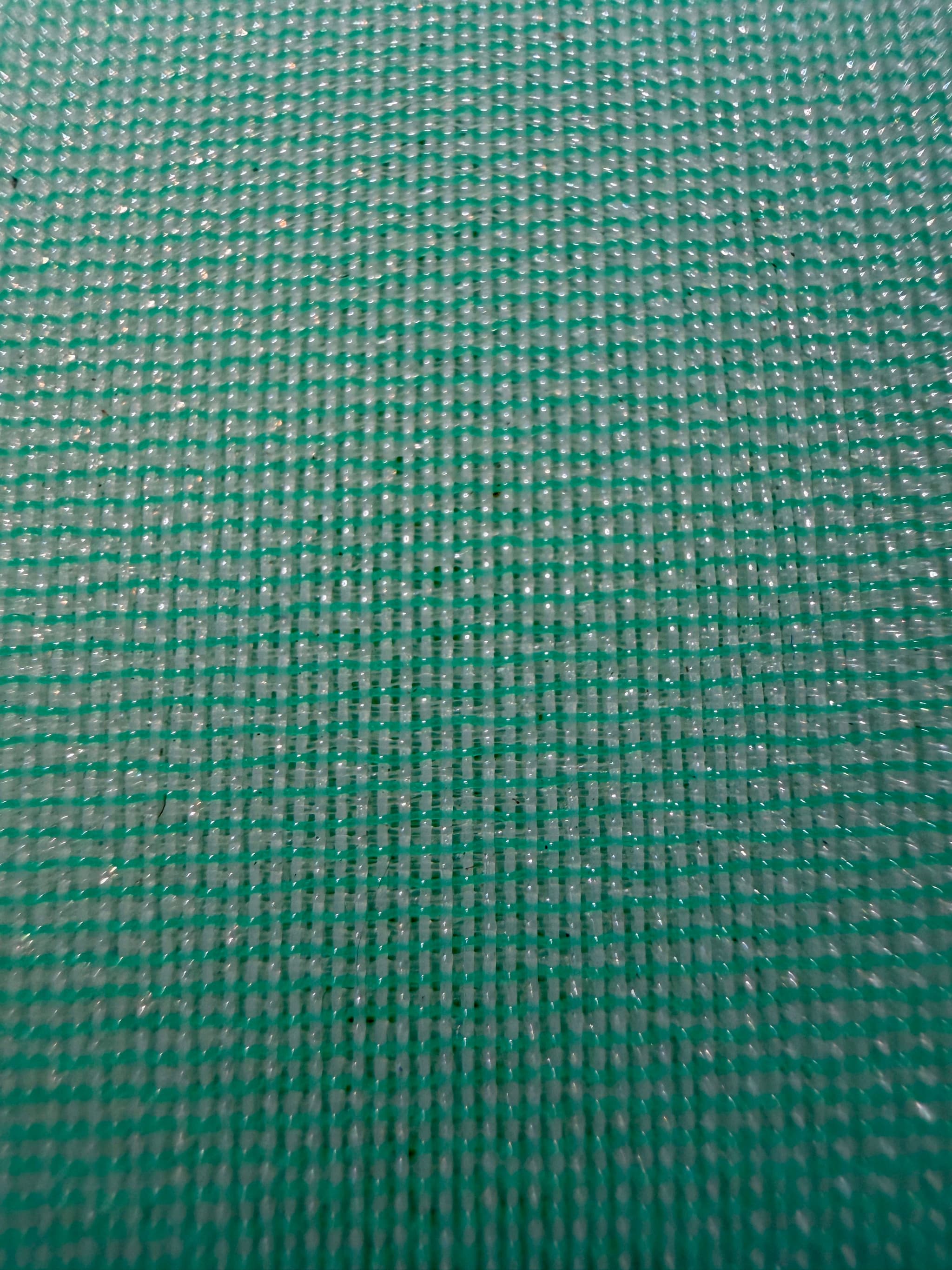
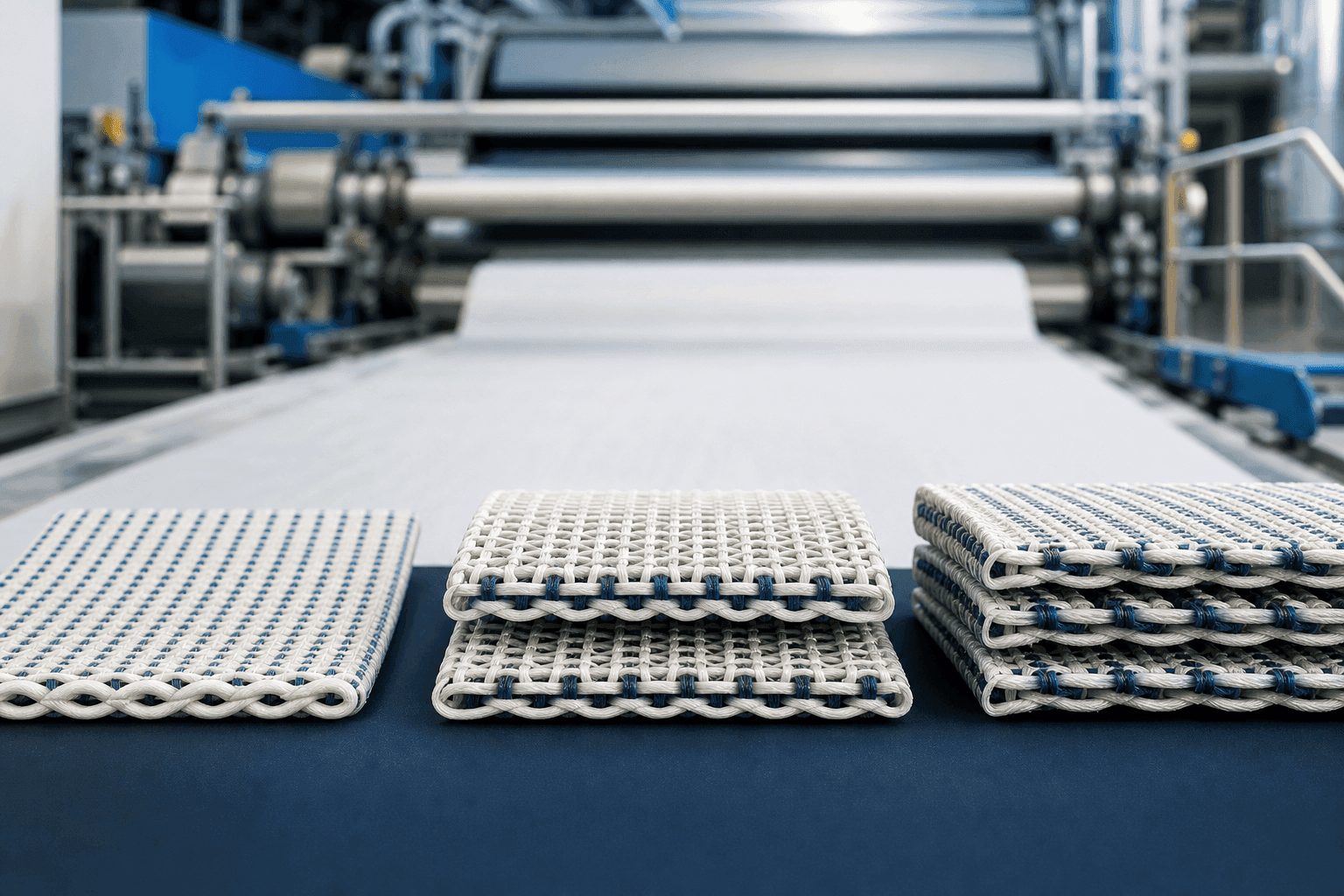
A forming fabric provides a moving support surface while water is removed from the stock. Its structure, openness, support and runnability must suit the duty at a particular position. Those requirements vary with paper grade, furnish, basis weight, speed and the configuration of the forming section.
This is why one generic mesh, layer or permeability description cannot replace a review of the actual machine duty. The forming fabric structure comparison explains how construction families differ; selection still requires machine-specific information.
2. Map the Drainage Path Before Drawing Conclusions
Document the relevant forming-section path: stock delivery, initial drainage, foils or blades, table elements, suction zones, couch area and the transition toward the next section. Record where the symptom appears rather than treating all drainage as one event.
| Review point | Question to ask | Evidence to collect |
|---|---|---|
| Initial drainage | Did the sheet behavior change close to stock delivery? | grade history, visible observations and process records |
| Table section | Is the observation localized near a drainage element? | inspection notes and maintenance history |
| Vacuum zones | Did the pattern change with a vacuum or sealing condition? | relevant operating trend and equipment observations |
| Fabric path | Is guiding, edge contact or contamination affecting the fabric? | video, edge photos and cleaning history |
The table is a starting point for investigation; mill safety procedures govern all equipment inspections.
3. Separate Formation, Drainage and Runability Observations
Sheet formation, water removal and fabric runability can influence one another but they should be described separately. A tracking symptom is not automatically a drainage issue. A drainage change is not automatically a fabric-design issue.
Use clear observations: location, time, paper grade, speed range, vacuum or maintenance event, and whether the symptom is continuous or intermittent. This is more useful than asking for a replacement based on a broad statement such as “formation is poor.”
For tracking-specific evidence, follow the forming fabric guiding troubleshooting process.
4. Record Changes in the Whole Operating Context
Review recent changes in furnish, recycled-fibre content, retention program, basis weight, headbox conditions, speed, cleaning practice and maintenance work. A condition that begins after one of these changes deserves a direct comparison with the stable period.
| Change category | Why it belongs in the review |
|---|---|
| Stock and chemistry | Can alter drainage and sheet behavior at the fabric interface |
| Machine operation | Can change the duty on the fabric path and drainage system |
| Maintenance | Can affect alignment, element condition, guide response or sealing |
| Cleaning | Can change contamination observations and the evidence available for review |
The purpose is to create a time-linked evidence package, not to assume a cause from the most recent change.
5. Prepare Information for a Forming Fabric Review
When a fabric review is appropriate, provide the current fabric label or data sheet, machine position, paper grade, width, normal operating range, relevant drainage and vacuum observations, photos of the fabric edges and any available installation or maintenance history.
This allows the technical discussion to start with the actual paper-machine forming section rather than with a generic product name. You can compare forming fabric products or use the fabric finder to organize the initial information.
6. Keep the Review Traceable
If a correction is made, retain the before/after observations using the same method and comparable operating condition. Make one approved change at a time where possible. If the machine team and the fabric supplier receive the same timeline, photos and operating context, they can distinguish confirmed findings from assumptions.
For a broader PMC perspective, read what paper machine clothing is or contact the PAPTEX engineering team.