A useful forming-fabric quote starts with the machine position
An RFQ for a forming fabric is more useful when it describes the actual wire-section position, not only a requested product name. A supplier can review the request more clearly when the mill provides the machine context, the current fabric information and the reason for the review. This reduces assumptions before a construction is discussed; it does not replace a mill's engineering approval process.
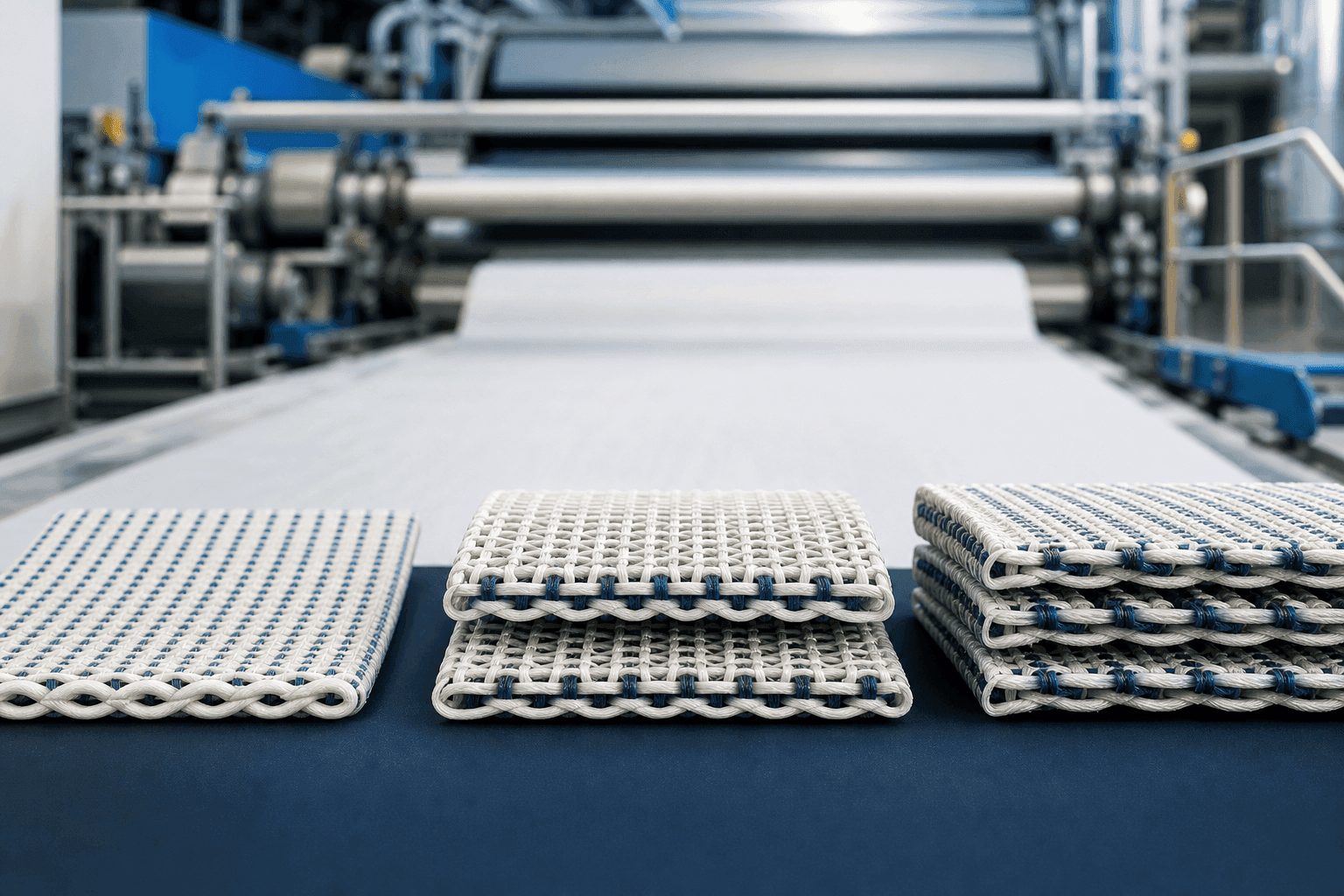
Start with the forming fabric product category to see the available product scope, then use this checklist to prepare a position-specific enquiry.
1. Identify the paper machine and exact forming position
State the paper machine, the wire or former position under review, and whether the request concerns a replacement, a new position or a trial. Include the paper grade and the normal production context. A fabric recommendation must relate to a specific duty, so a generic request such as "forming fabric for paper machine" leaves important questions unanswered.
2. Send the dimensions and running direction
Confirm the width, length, required running direction and any installation or access constraint that affects the order. If the mill uses a drawing or an approved measurement record, attach it through the agreed channel. Do not rely on an old order description without checking whether the current position and dimensions remain the same.
3. Describe the current fabric accurately
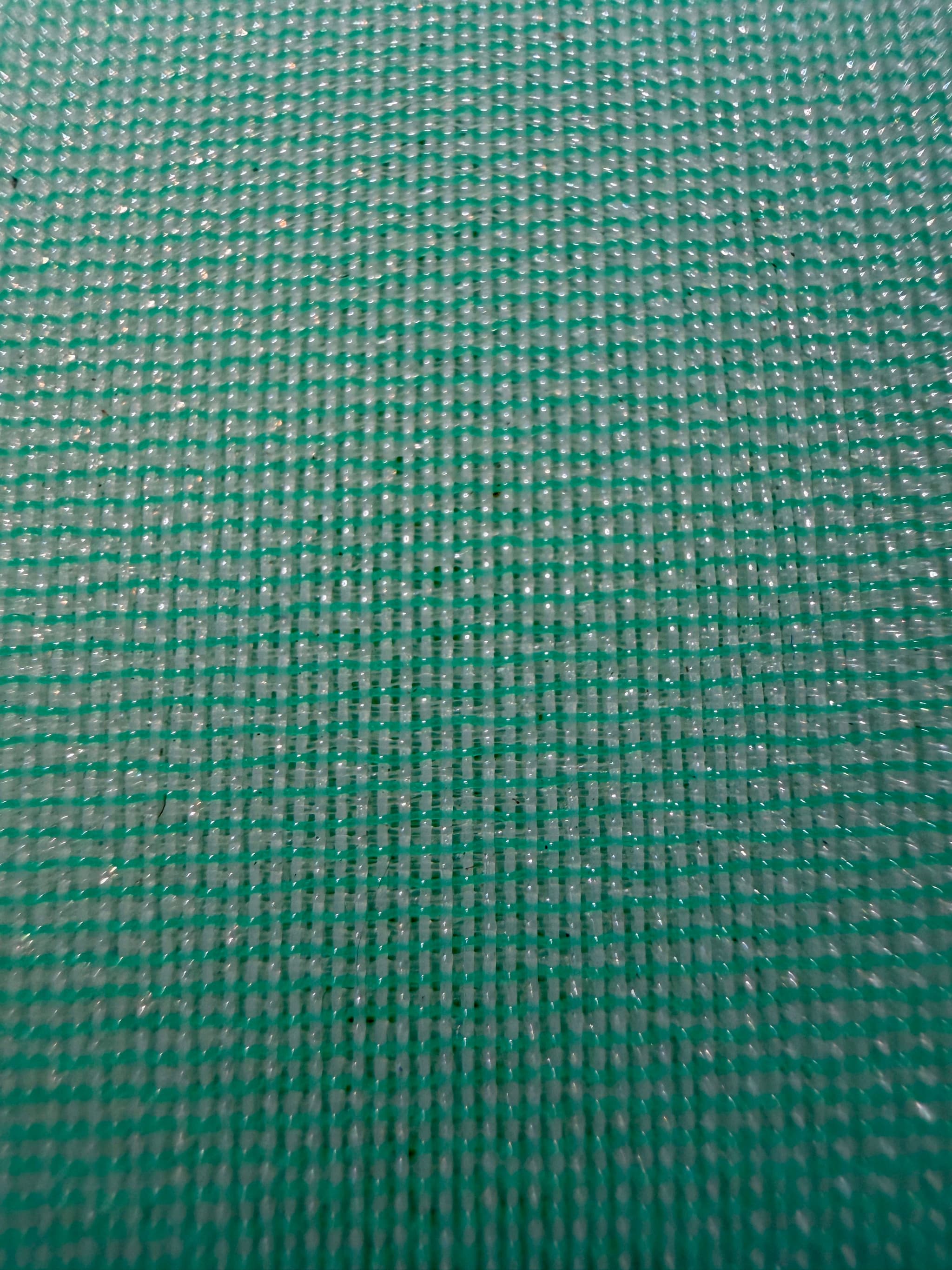
Provide the current fabric identification, construction description where known, installation date and any available data sheet. If information is missing, say so rather than treating an assumption as a confirmed specification. A used sample or approved photos may help a technical review when the mill is permitted to provide them.
For a structured review of comparable information, see Paper Machine Clothing Data Sheet Review.
4. Record the paper grade and operating context
Paper grade, furnish context and normal operating conditions help define the discussion. Record relevant changes that occurred near the time the current concern appeared, such as a grade change, shutdown, cleaning change or equipment maintenance. These observations are context for review, not proof that one factor caused a result.
5. Explain why the request is being made
Describe the observation in factual terms: a planned replacement, a fabric condition to review, a drainage or formation observation, a guiding pattern, or another position-specific concern. State where it appears, when it was first noticed, and whether it is local or repeated. Avoid requesting a universal solution before the machine evidence has been reviewed.
If guidance is part of the concern, use the forming-fabric guiding troubleshooting process to organize the operating record first.
6. Add relevant inspection and maintenance records
Supply the observations that can be compared: inspection notes, current cleaning practice, guide history, approved tension records and photos from repeatable positions. A single number without its method or machine context is difficult to interpret. Keep the measurement method, date and operating condition with every record.
Forming-fabric wear inspection guidance can help the mill gather a clear condition record before a technical discussion.
7. Make installation and order constraints visible
Tell the supplier about seam or installation requirements, access limitations, packing needs, delivery destination and any order-level documents the mill must review. Confirm what remains to be agreed rather than assuming every detail is included in an initial price indication.
| RFQ item | What to send |
|---|---|
| Position | Paper machine, former/wire position and replacement or trial purpose |
| Product context | Current fabric ID, available construction information and installation date |
| Dimensions | Confirmed width, length, running direction and installation constraints |
| Process context | Paper grade and relevant normal operating context |
| Review reason | Planned replacement or factual observation, with timing and location |
| Evidence | Approved data sheet, drawings, inspection notes and photos where available |
| Order constraints | Seam, access, packing, destination and required documents |
8. Ask for a recommendation with stated assumptions
A useful supplier response identifies the proposed construction, the machine information reviewed, the points still requiring confirmation and the next technical step. It should not present an uncertain operating outcome as a guaranteed result. Keep the technical recommendation, quotation scope and delivery assumptions visible to the people who will approve the purchase.
Ready to prepare a forming-fabric RFQ?
Before you send an enquiry, confirm that your team can provide the exact forming position, paper grade, current fabric details, confirmed dimensions, the reason for the request and any relevant approved records. Then contact PAPTEX for a position-specific review, or use the fabric selection assistant to organize the initial details.
Frequently asked questions
Can a supplier recommend a forming fabric from dimensions alone?
Dimensions are necessary, but they do not describe the full machine duty. The forming position, paper grade, current fabric information and reason for the review give the supplier the context needed to identify what else requires confirmation.
What photos are useful in a forming-fabric RFQ?
Use only photos the mill is permitted to share. Label the position, date and view direction, and pair them with a short written record of what the image shows. A photo is supporting evidence, not a complete diagnosis.
Should I request a specific construction before technical review?
You can state a current or preferred construction, but keep it separate from confirmed machine requirements. Ask the supplier to identify the assumptions and information still needed before a recommendation is finalized.