Paper Machine Clothing Maintenance Guide: Record, Review and Plan
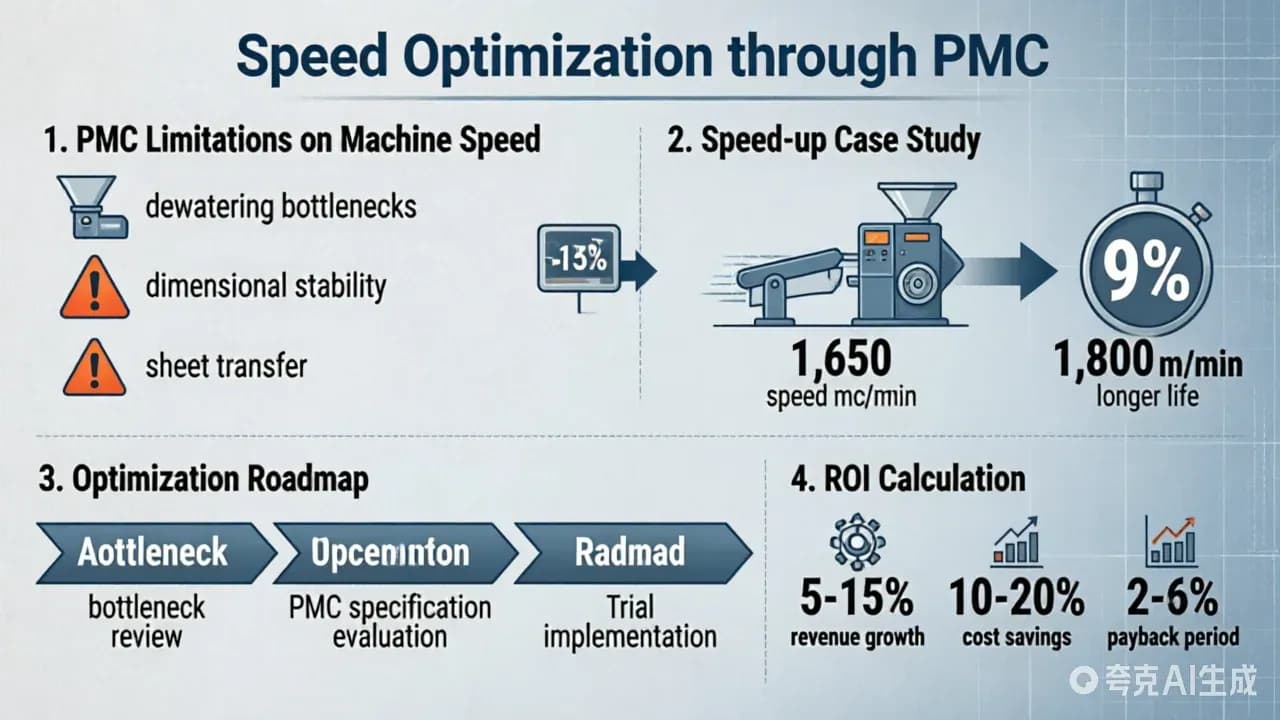
Paper Machine Clothing Maintenance Guide: Record, Review and Plan
Paper Machine Clothing (PMC) maintenance is not one generic procedure for every fabric. Forming fabrics, press felts and dryer fabrics run in different machine sections and should be reviewed against the conditions of their own position. What they have in common is a disciplined working method: record the position, inspect consistently, communicate cleaning conditions accurately and plan replacement with facts rather than memory.
This guide provides that shared method. It does not replace a mill's safety rules, chemical instructions or position-specific operating procedures.
Start with a position-specific record
For each fabric, keep a simple record that identifies the machine section and exact position. Include the product identification, installation date, dimensions, paper grade, and the operating or maintenance question that prompted the review. Where photographs or drawings can be safely obtained, link them to the same record.
This avoids a common problem: a discussion about “the fabric” without a clear reference to the actual forming, press or dryer position. A position-specific record also makes it easier to compare the outgoing product and the incoming one during a planned change.
Inspect consistently, then describe observations plainly
Routine inspection is most useful when the same points are reviewed each time. The purpose is to create a factual baseline, not to diagnose a cause from one observation.
- confirm the position and current product identification;
- note visible condition, tracking or route observations in the language used by the mill;
- record changes in the paper grade, operating practice or maintenance routine that may be relevant; and
- preserve the date, observer and any safe supporting photos.
For a forming fabric, the discussion begins at the wet end. For a press felt, begin with the exact press position. For a dryer fabric, begin with the dryer group, route and guiding context. The related guides on forming fabric versus dryer fabric, press felt working principle, and dryer-fabric selection explain why those starting points differ.
Communicate cleaning conditions without assumptions
Cleaning is position- and product-specific. When asking a supplier or technical contact to review a cleaning question, describe the actual practice used on the machine: the available process, the fabric position, the operating observation, and the chemical or mechanical conditions already known. Do not replace these details with a broad claim that one method is suitable for every fabric.
The useful result of the conversation is a clear next review step that respects the mill's own safety, environmental and chemical-control requirements.
Use planned replacement as a learning point
A planned change is an opportunity to improve the record for the next cycle. Before removal, note the current product identification, position and reason for replacement. Before installation, confirm the intended position and the available route or installation conditions. After the new fabric begins running, record early observations against the same reference.
This practice supports a more useful technical discussion without promising a result from a generic maintenance checklist. It simply ensures that the people reviewing the next fabric are looking at the same facts.
Prepare a maintenance review brief
When a maintenance or replacement review is needed, share what is available:
- machine section and exact fabric position;
- paper grade and relevant machine information;
- current fabric identification and installation history;
- observations and maintenance conditions already recorded; and
- photos, drawings or planned shutdown timing where available.
Use the PMC selection assistant to organize the first details, or contact PAPTEX for a position-specific discussion.
A practical conclusion
Good PMC maintenance starts with a clear position record and a consistent review routine. Treat forming, press and dryer fabrics as different parts of one PMC system, document the facts available at each position, and use planned changes to make the next technical review more precise.
Related Articles
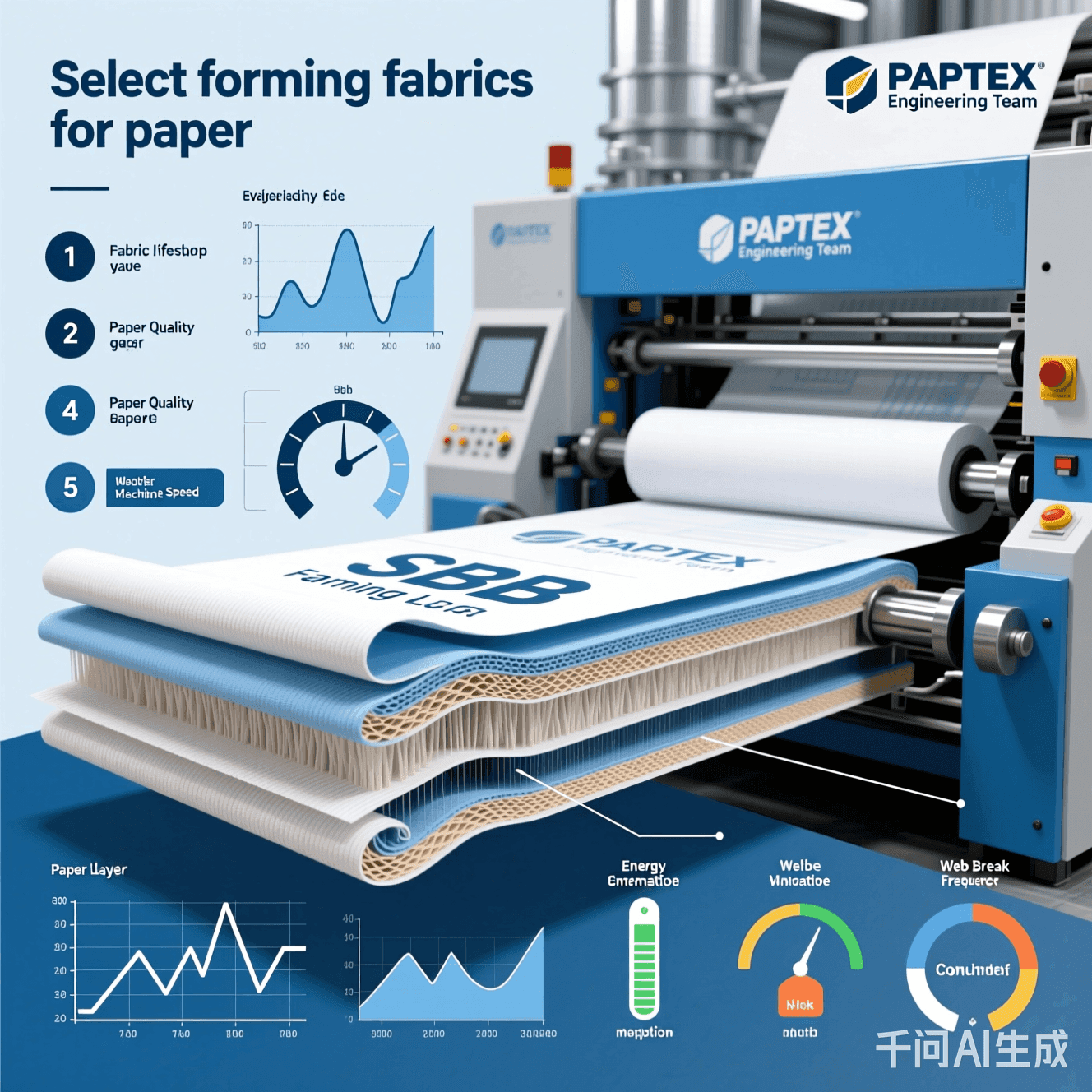
How to Choose the Right Forming Fabric
Choose a forming fabric using paper grade, furnish, former configuration, drainage, sheet-quality targets, machine data and current-fabric observations.
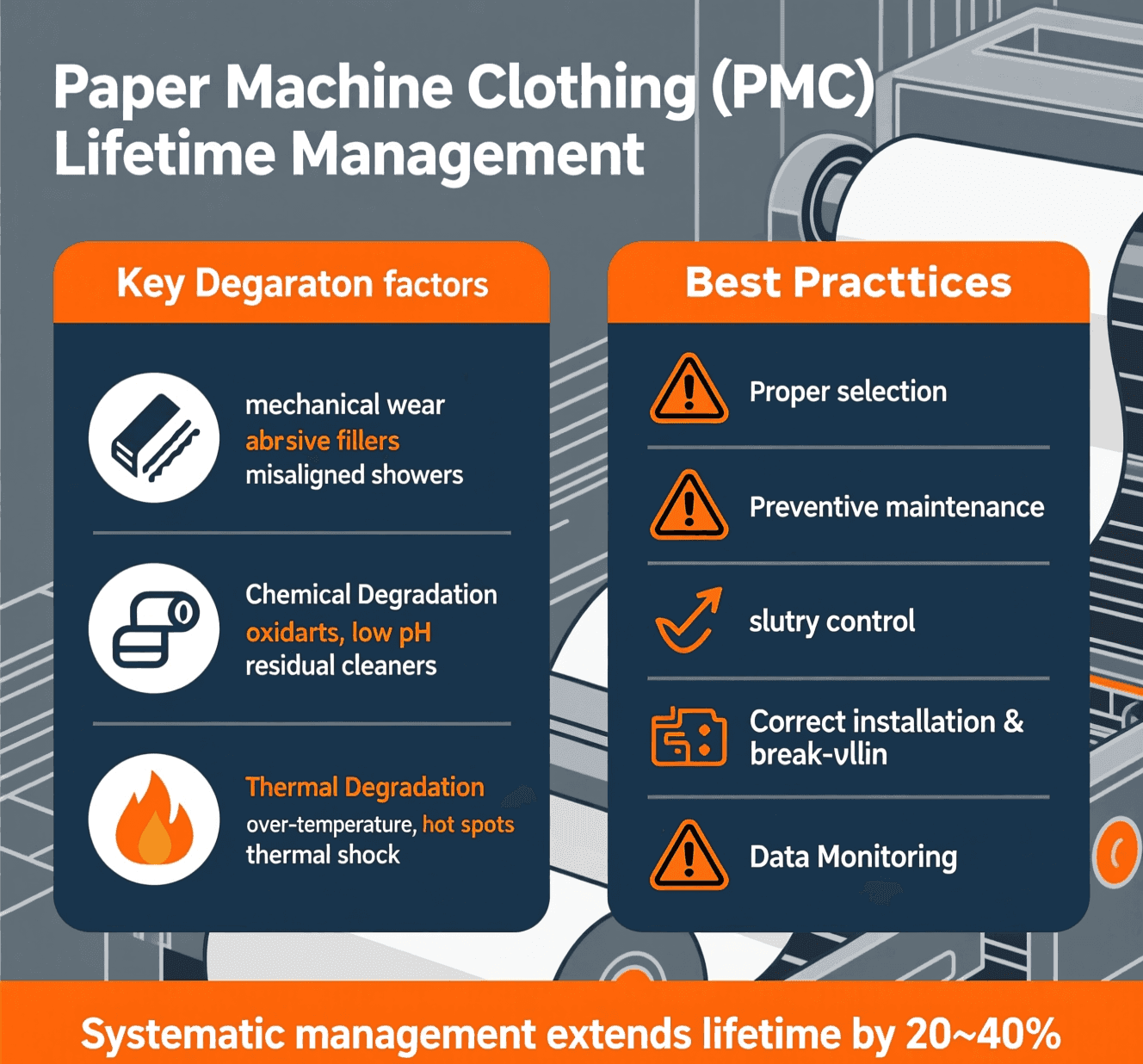
How to Extend Paper Machine Clothing Service Life
Understand the key factors affecting fabric life and discover practical tips for extending replacement intervals.
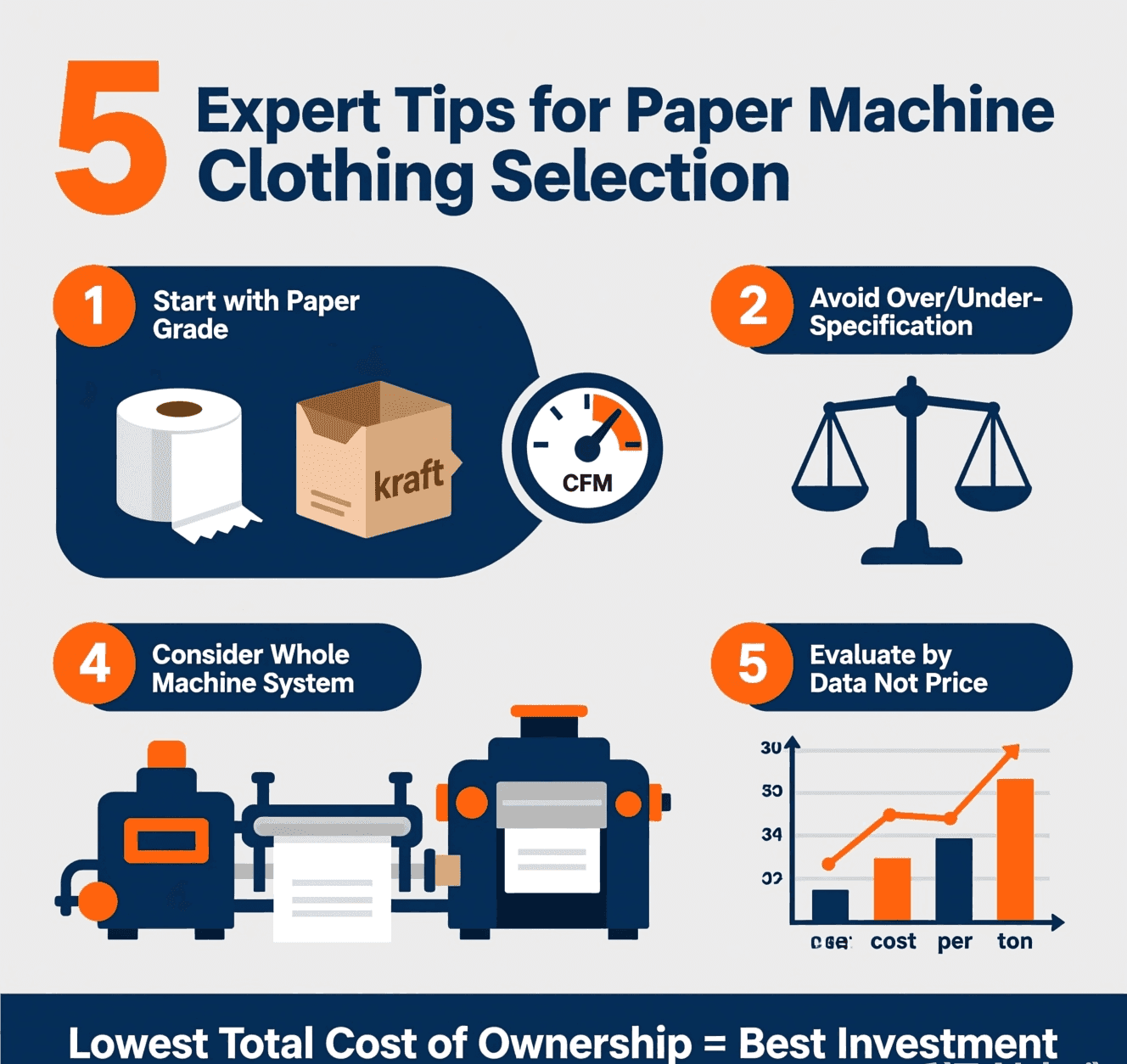
Top 5 Tips for Paper Mill Managers Selecting PMC Fabrics
Five practical checks for selecting paper machine clothing from machine position, furnish, operating data, baseline performance and measured total cost.