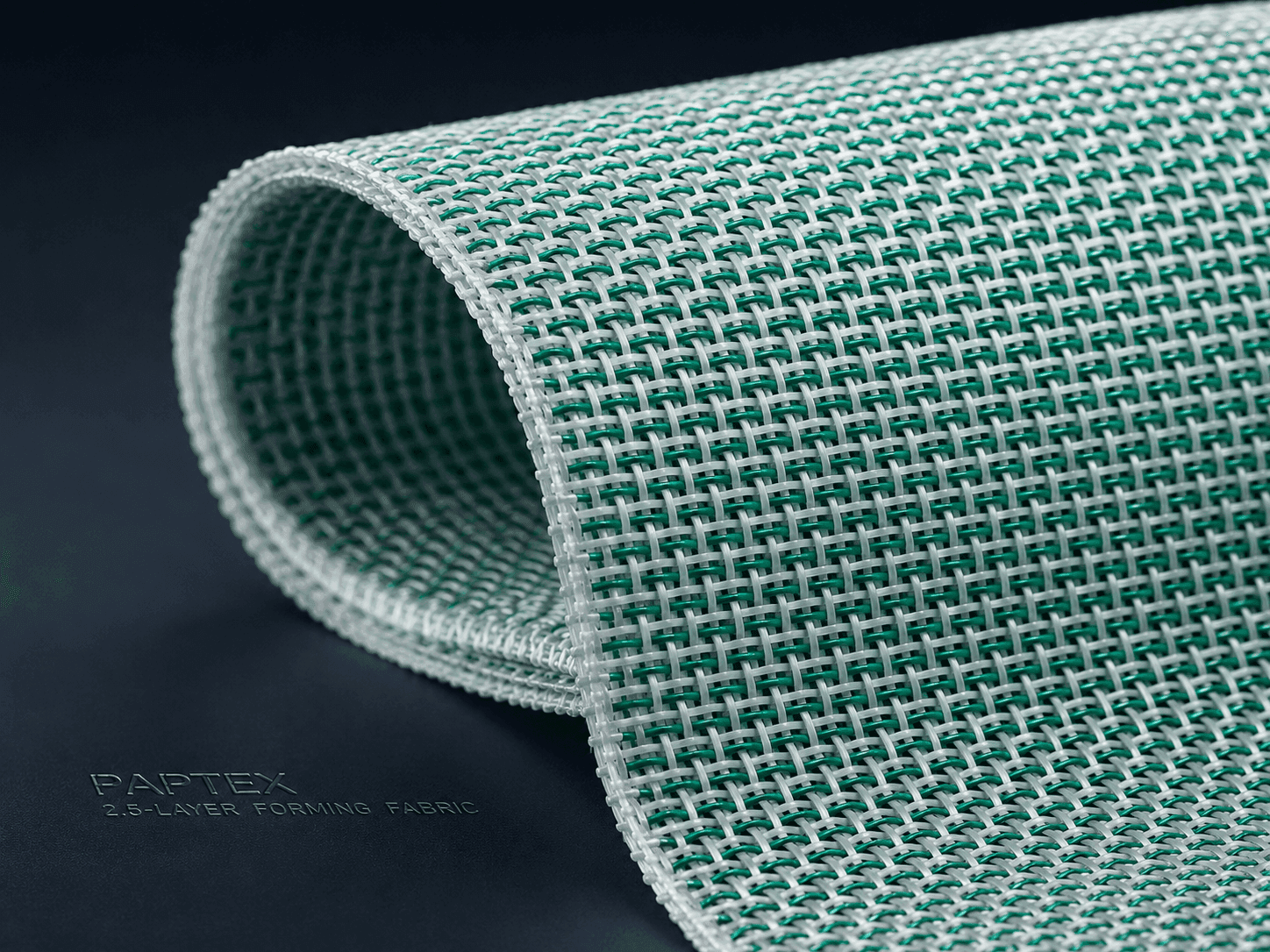
PAPTEX DLH 2.5-Layer Forming Fabric
Model: DLH-3500 · 2.5-Layer Construction (Double Layer with an Additional Support Weft Layer)
PAPTEX multi-layer forming fabric with an additional support layer is supplied for paper-machine forming section.
Suitable Paper Grades
Best Applications
Engineered for these paper grades and machine conditions
Why Choose PAPTEX
Application review
The product configuration is reviewed for paper-machine forming section.
Condition-led selection
Final selection is confirmed against paper grade, furnish, drainage requirements and machine conditions.
Engineering Overview
Product Overview
PAPTEX multi-layer forming fabric with an additional support layer is supplied for paper-machine forming section.
Selection Basis
Final construction and configuration should be confirmed against paper grade, furnish, drainage requirements and machine conditions.
Technical Specifications
| Product type | multi-layer forming fabric with an additional support layer |
| Application | Paper-machine forming section |
| Selection basis | Paper grade, furnish, drainage requirements and machine conditions |
Need a custom specification?
Our engineers can tailor the fabric to your machine parameters.
Ready to Learn More?
Review the technical record and machine data before model confirmation.
Review Technical Overview
Review the PMC selection framework and source-controlled model references.
Free & Instant📋Download Machine Parameter Form
Prepare paper grade, speed, width, current clothing and operating issues.
Free & Instant💬Contact Engineer
Get a personalized recommendation from a PAPTEX application engineer.
PersonalizedPage specifications support technical discussion; order specifications require written confirmation.
Downloads
Technical documentation for PAPTEX DLH 2.5-Layer Forming Fabric
Paper Machine Clothing Technical Overview
A source-controlled overview of the three core PMC families and named model references.
Machine Parameter Form
Record paper grade, speed, width, current clothing and operating issues for engineering review.
Common Technical Route Comparisons
Compare technical routes across all machine sections to find the best solution.
SSB Triple Layer
Quote after technical reviewDouble Layer
Quote after technical reviewSSB Triple Layer
Quote after technical reviewSingle Layer
Quote after technical reviewDouble Layer
Quote after technical reviewSingle Layer
Quote after technical reviewFrequently Asked Questions
Common questions about PAPTEX DLH 2.5-Layer Forming Fabric
Related Products
Double Layer Forming Fabric
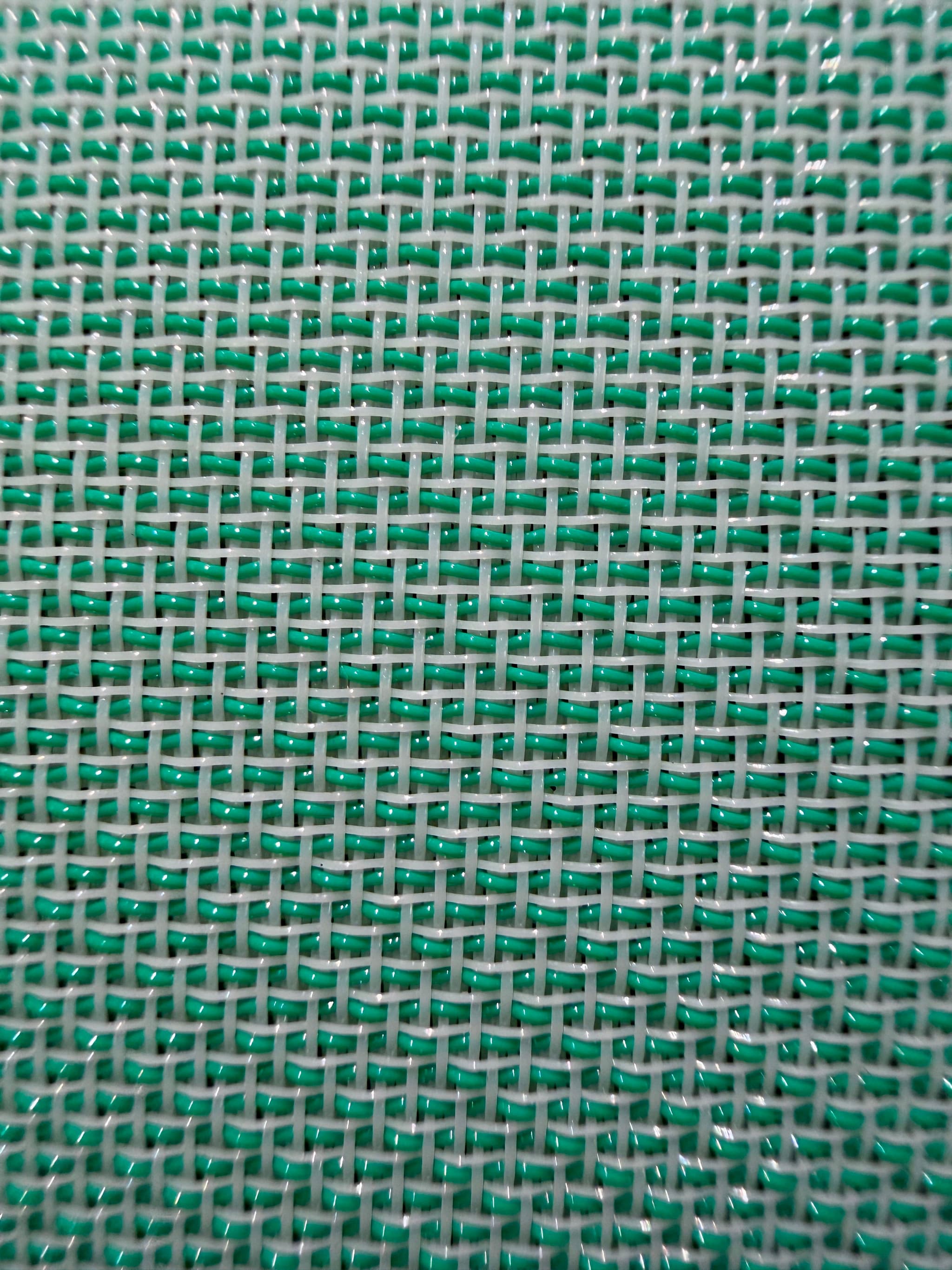
Double Layer Forming FabricDouble layer forming fabrics are selected for paper-machine forming sections where sheet formation, drainage and fabric stability must be balanced.Selection should consider paper grade, furnish, machine speed, vacuum arrangement, wire-section layout and the current fabric specification. Send these operating details for an engineering review.
Self-Binding Triple Layer Forming Fabric
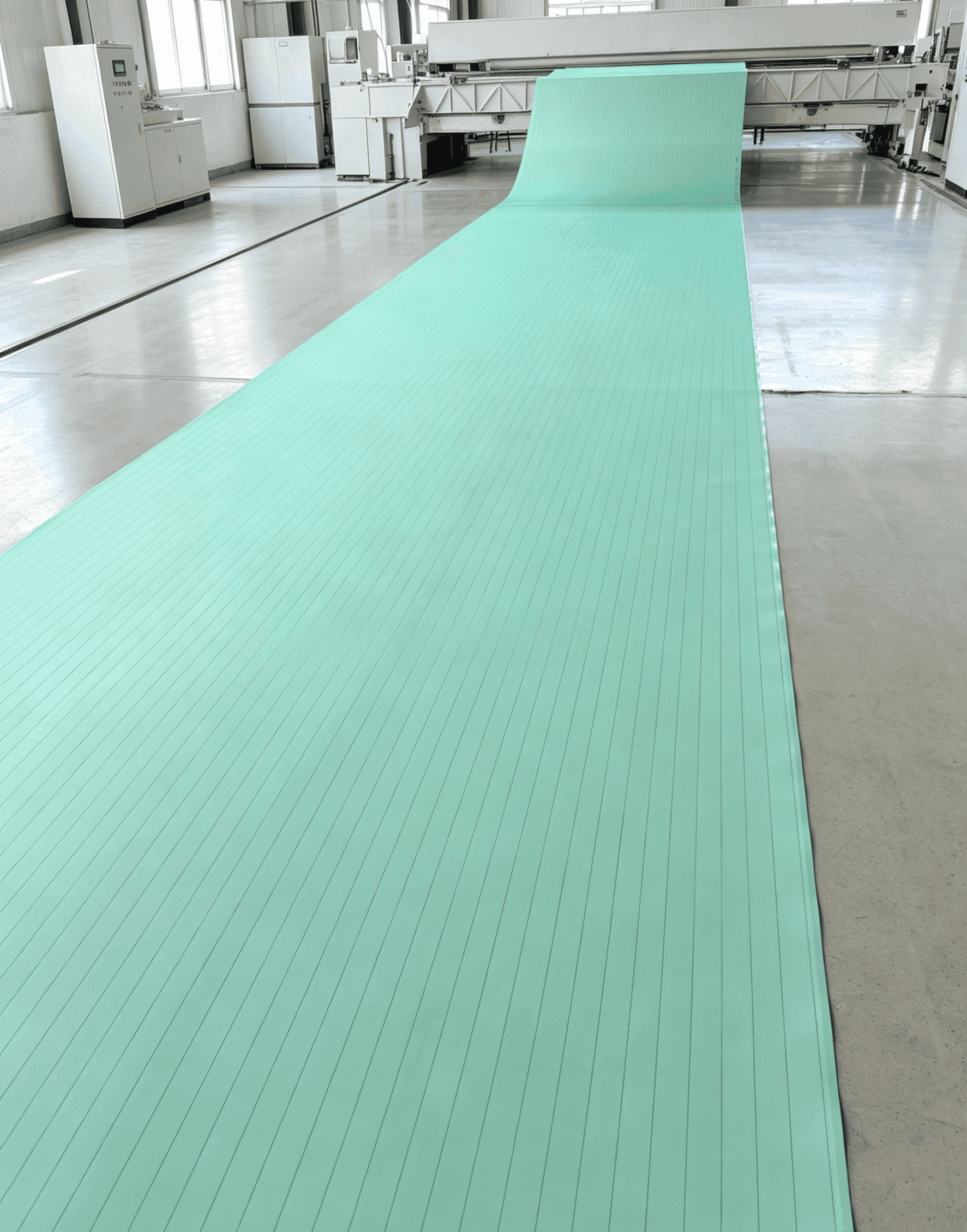
Self-Binding Triple Layer Forming FabricSelf-binding triple-layer forming fabrics are selected for paper-machine forming sections when a multi-layer construction is considered for the paper grade and machine conditions.Selection should consider formation, drainage, retention, running stability, furnish, machine speed and the current fabric specification. Send these operating details for an engineering review.
Related Solutions
Paper Machine Forming Section
Precision-engineered forming fabrics for every paper grade. From single-layer to high-speed triple-layer SSB designs, we provide the perfect wire for optimal sheet formation and drainage.
Learn More →Kraft & Packaging Paper Solutions
Heavy-duty forming and dryer fabrics designed for the high-load demands of kraft and corrugated paper production. Features extreme wear resistance and high dewatering capacity.
Learn More →Related Case Studies
Recommended Reading
Technical articles, guides, and resources for your application.
Forming Section
Guide to the paper-machine forming section: fabric selection, drainage, sheet formation and fiber retention for Fourdrinier, twin-wire and hybrid formers.
Fabrics
In-depth knowledge about paper machine clothing: weave structures, material science (PET, PA, PPS), surface treatments, and performance characteristics across all fabric types.
Maintenance
PMC maintenance best practices: cleaning procedures, storage guidelines, inspection schedules, and fabric life extension techniques. Maximize ROI through proper care.
Energy Saving
Energy efficiency strategies for paper machines: steam reduction, vacuum optimization, drive energy savings, and how PMC design contributes to overall energy performance.
Installation
Step-by-step installation guides for all PMC types: forming fabric installation, dryer fabric installation, seam joining, tensioning procedures, and alignment verification.
Your Next Step
You are at stage 4/8: Product Detail
Related Products
Continue to: Related Products
Continue →Customer results
Or: Customer results
Continue →Common questions
Or: Common questions
Continue →Request quote
Or: Request quote
Continue →Full journey: Industry / Application → Solution / Pain Point → Product Category → Product Detail → Related Products → Case Study → FAQ → Inquiry / Conversion
Interested in PAPTEX DLH 2.5-Layer Forming Fabric?
Send us your paper machine specifications for a customized quotation.