Improve the Diagnosis Before You Change the Fabric
When paper machine clothing performance changes, the visible symptom rarely identifies one cause by itself. A moisture change, unstable sheet, marking, tracking issue or shorter running period may involve the fabric, but it may also follow a change in stock, drainage, vacuum, shower condition, roll surface or operating practice.
The most useful first step is to compare today's condition with a known stable period. Record what changed and where the symptom appears. That gives maintenance, operations and the fabric supplier the same starting point.
1. Define the Symptom by Section
Use the paper-machine section to narrow the review. Do not apply a forming-section fix to a press or dryer symptom simply because the machine is showing a quality problem downstream.
| Section | Typical observation to document | First supporting evidence |
|---|---|---|
| Forming | drainage behavior, sheet formation or fabric tracking | vacuum trend, edge photos, guide response and furnish changes |
| Press | post-press moisture, felt condition or nip-related variation | moisture profile, Uhle-box observations, shower condition and felt photos |
| Dryer | drying profile, fabric contamination or seam behavior | dryer-group position, cylinder/doctor observations and cleaning history |
This is a review framework, not a universal diagnosis. The paper grade and machine configuration determine which observations matter most.
2. Separate Operating Changes From Fabric Condition
Ask what changed shortly before the issue became visible. Include grade, basis weight, furnish, retention chemistry, speed, draw, vacuum, cleaning practice, maintenance work and shutdown history. A dated operating log often answers more than a single inspection after the fact.
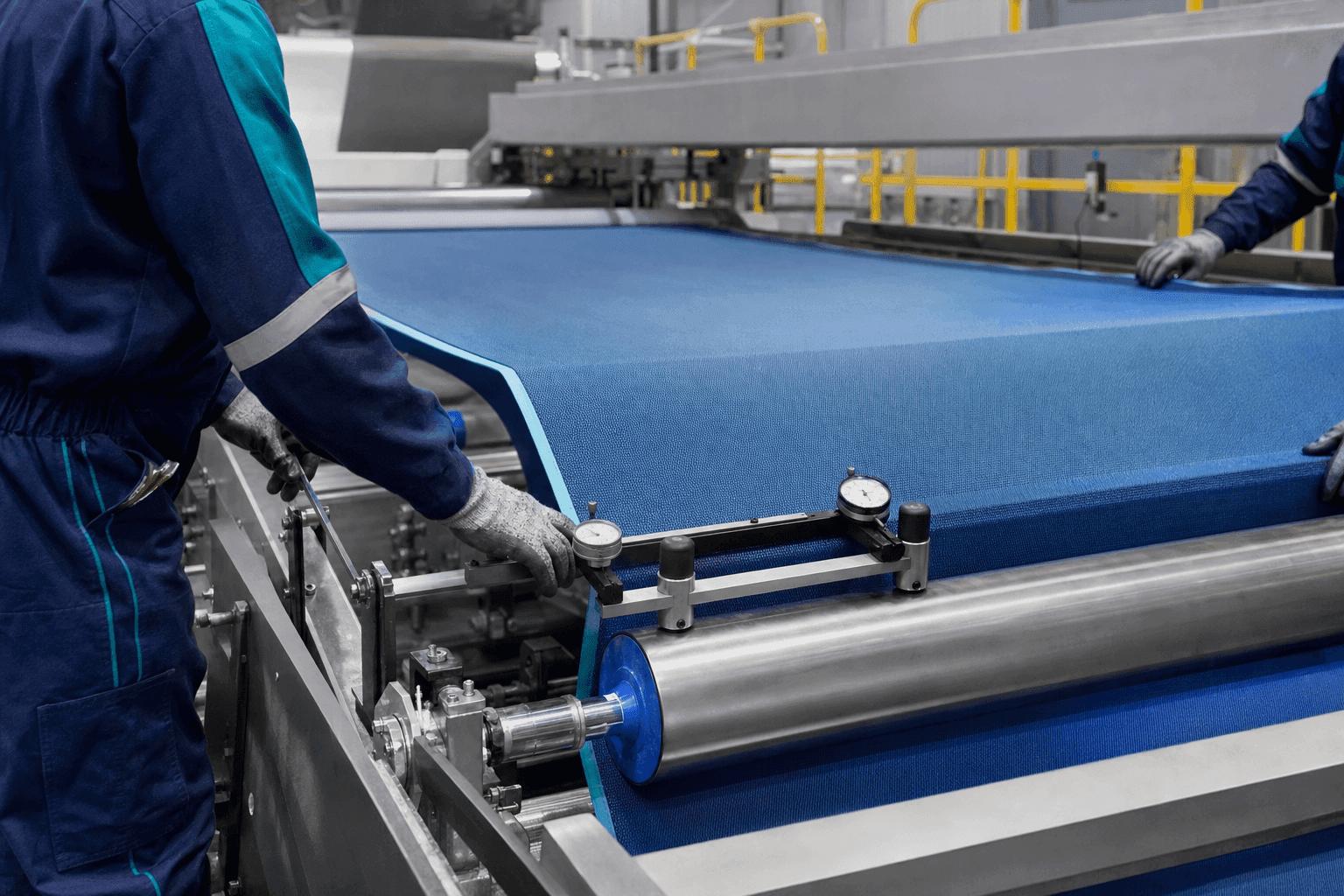
If the fabric was recently installed, also retain the installation record, machine position, orientation, guide behavior and initial operating observations. A change in timing is a lead to investigate, not proof that the newest component caused the issue.
3. Review Each Clothing Type on Its Own Job
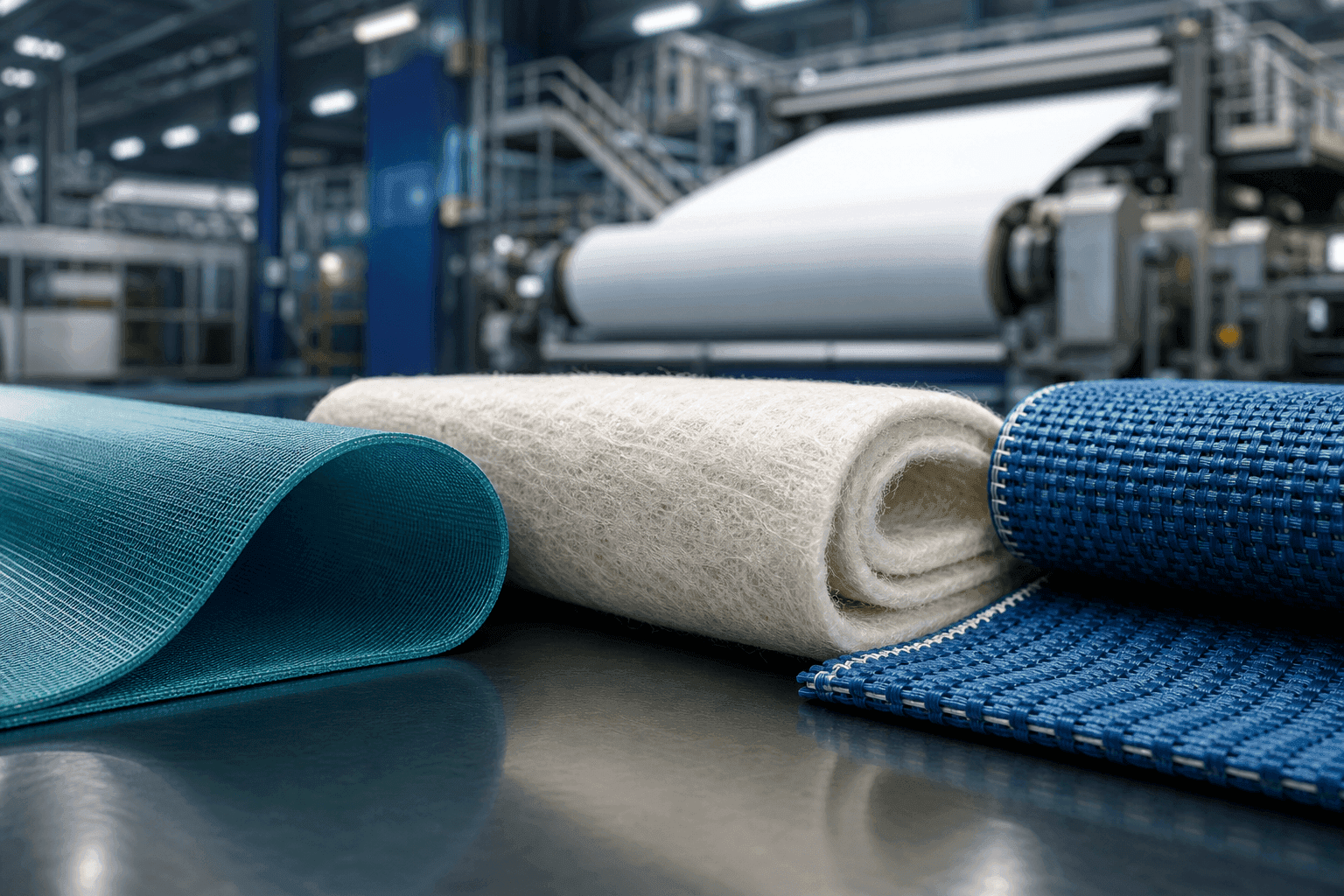
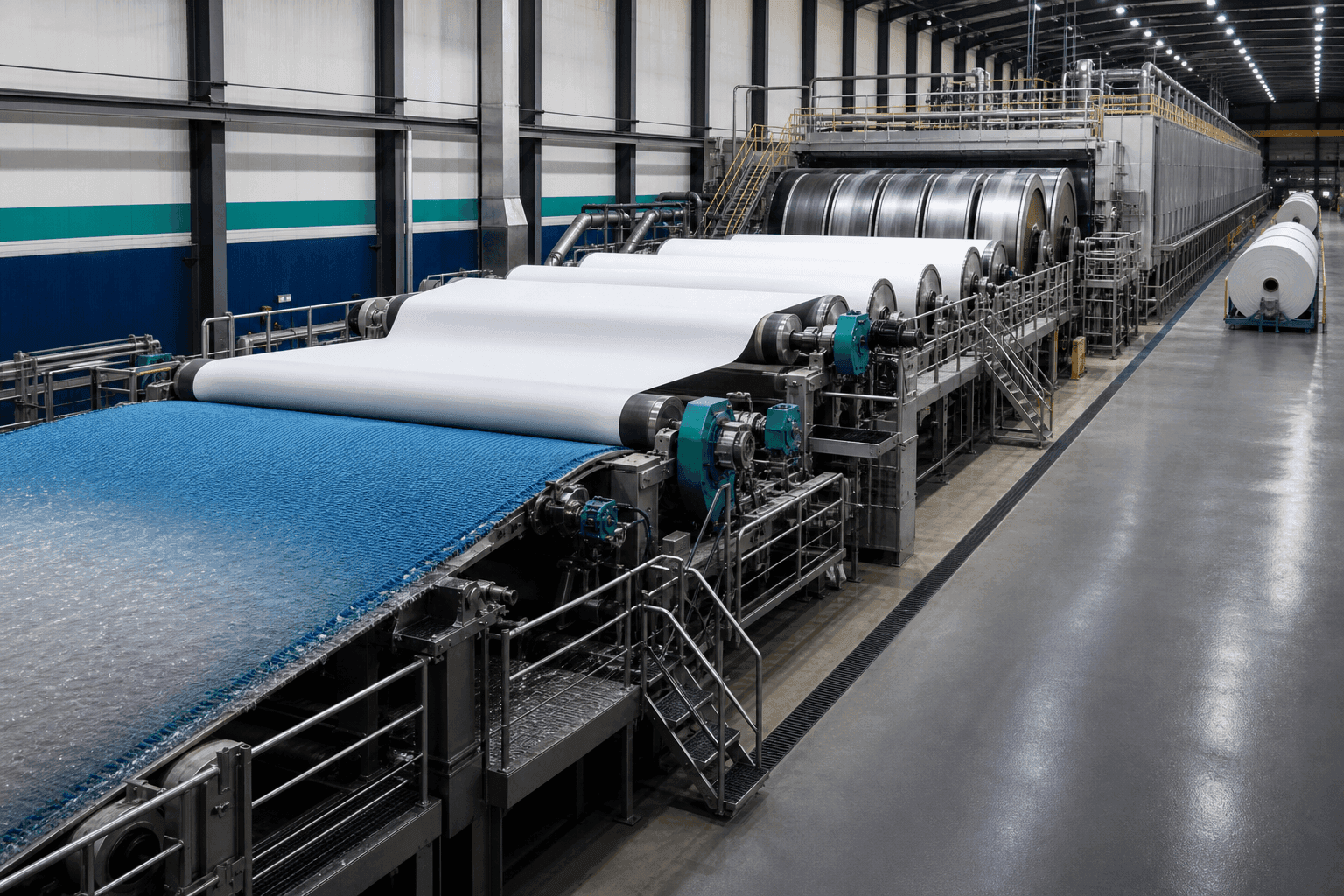
Forming fabrics support drainage and sheet formation; press felts carry water through a press process; dryer fabrics support the sheet and contribute to controlled drying. Their construction and review data are therefore different.
For a forming section, start with the forming fabric range and check the fabric path, guide response, drainage elements and machine-side contamination. For a press concern, compare the current condition with the press-felt troubleshooting guide. For dryer symptoms, record the group and position before reviewing the dryer fabric selection guide.
4. Use Evidence That Can Be Compared Later
The aim is not to create paperwork. It is to avoid a situation where several adjustments are made and nobody can tell which one changed the result.
Keep a short record with:
- machine section, current fabric identification and installation date;
- paper grade and normal operating range at the time of the symptom;
- photos showing paper side, machine side, edges, seams and any localized marks;
- relevant trend data, such as vacuum, moisture or guide behavior, using the mill's normal measurement method;
- recent work orders and the changes already attempted.
Use the same observation point and measurement method when comparing periods. A number without its measurement method or operating context is difficult to interpret.
5. Change One Approved Variable, Then Observe
When safe operating procedures permit, make one controlled change at a time and record the response under comparable conditions. Multiple simultaneous changes can hide the relationship between a correction and the result.
| Review step | Question | Useful next action |
|---|---|---|
| Baseline | What did stable operation look like? | Retrieve prior shift or grade records |
| Mechanical check | Is there a confirmed guide, roll, shower, vacuum or contact issue? | Correct the confirmed condition first |
| Process check | Did a grade or operating change coincide with the symptom? | Compare before/after records |
| Fabric review | Does the evidence point to a repeatable fabric-related condition? | Send the data package for technical review |
Do not substitute a generic internet setting for the machine procedure or the supplier data sheet for the installed fabric.
6. Prepare a Better Replacement or Technical Review Request
If a review points toward a fabric change, provide the supplier with the machine section, paper grade, current product details, dimensions, performance history, failure observations and the operating changes that occurred around the symptom. This reduces guesswork and makes it possible to discuss alternatives against the actual duty.
For a broader overview, see what paper machine clothing includes and the PMC selection questions. You can send a documented case through the engineering contact form.
Related product range: If the operating record supports a clothing change, compare the complete paper machine clothing range by forming, press and dryer section before preparing the specification.