Paper Machine Clothing Changeover Planning: A Section-by-Section Shutdown Checklist
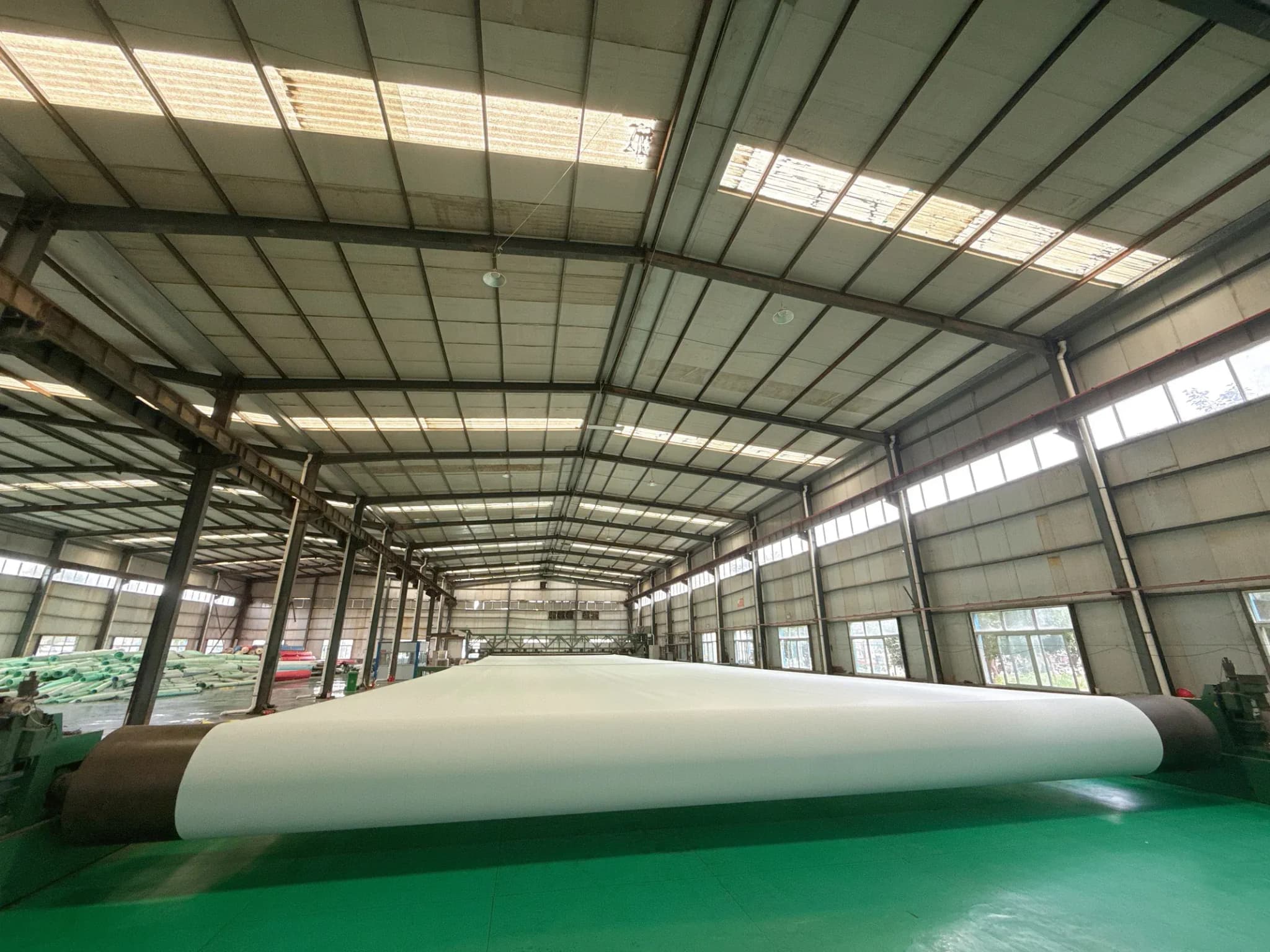
Paper Machine Clothing Changeover Planning
A planned shutdown is often the only practical window for replacing a forming fabric, press felt or dryer fabric. The replacement itself may be familiar to the machine crew, but delays commonly come from missing information: an unclear machine position, an unlabelled roll, an unanswered seam question, or a decision that was left until the fabric is already on the floor.
This guide is a planning checklist, not a substitute for the mill’s own safety procedures or equipment instructions. Its purpose is to help production, maintenance and the PMC supplier start the shutdown with the same technical information.
Build one shared changeover pack
Create a short changeover pack before the shutdown date. It should travel with the work order and be available to the supplier contact. Include the paper-machine section and position, paper grade, machine width, current product identification, the replacement product identification, the planned shutdown date and the people responsible for receiving and installation.
Photographs of the current routing, guiding arrangement and accessible problem areas can be useful when they are taken safely during normal operation. They give the maintenance and supplier teams a common reference before the machine is opened.
The Paper Machine Clothing hub shows the main PMC product families. The changeover pack should make clear which family and which exact position are involved; a forming fabric, press felt and dryer fabric do not have the same installation questions.
Confirm the supplied item before the shutdown
When the product arrives, do not wait for the shutdown to verify it. Match the delivery documents and the product identification against the order. Confirm the intended machine position, dimensions, construction, and whether the supplied item is seamed or endless where that distinction applies.
Keep the packaging and identification visible until the machine team has confirmed the item. If there is any difference between the order and the received product, raise it before the shutdown window begins. This is much easier to resolve while the existing fabric is still running.
Forming section: record the routing and guiding details
For a forming fabric, the changeover discussion should identify the path through the forming section, the relevant rolls, guide equipment, showers and vacuum-related interfaces. The crew should know which observations from the outgoing fabric matter to the next review, such as visible marking, tracking behaviour or an issue reported by the wet end team.
Before installation starts, make sure the team has a current reference for the route and can identify where alignment will be checked. After installation, record the initial tracking and any observations that need follow-up once the machine returns to production.
Press section: align the plan with the press arrangement
For a press felt, confirm the intended press position and the route through the press section. The plan should account for the existing felt removal, the condition of accessible rolls and cleaning equipment, and the method the mill uses to document the new felt’s initial condition.
Avoid turning the first start-up into a troubleshooting session. Before the shutdown, agree who will answer questions about product identification, installation sequence and the information to record during early operation. The record should distinguish observations from the old felt from observations after the new felt is installed.
Dryer section: resolve seam and access questions early
For a dryer fabric, confirm the relevant dryer group, fabric path, guide arrangement and seam requirement early. Seam access, pin availability and routing constraints are practical details that can determine whether the planned work fits the shutdown window.
Mark the required tools and responsible people in the work order. If the machine arrangement or the planned route is unusual, discuss it with the supplier before delivery rather than relying on a generic installation note.
Capture the first-run record
The first run after a changeover is where the next order becomes easier. Record the installed product identification, machine position, date, installation crew, start-up observations and any agreed follow-up point. This is not a performance claim; it is a factual reference for the mill’s own review.
A simple record also prevents a common problem months later: the team remembers that a change was made but cannot identify exactly which product was installed or what condition led to the decision.
A shutdown checklist for the work order
Before the shutdown:
- confirm the machine section, exact position and replacement product identification;
- compare delivery documents, dimensions and construction with the approved order;
- prepare a safe reference for fabric routing, guiding and relevant access points;
- identify the mill contact, installation lead and supplier technical contact;
- confirm required seam/endless information and practical access needs; and
- prepare a receiving and first-run record.
After installation:
- record the product identification and installation date;
- note the initial tracking, routing or start-up observations relevant to that section;
- keep the record with the mill’s maintenance history; and
- raise questions while the technical context is still available.
If you are planning a changeover and need to organise the initial machine information, use the PMC selection assistant or contact PAPTEX. A focused pre-shutdown discussion is usually more useful than trying to reconstruct the details during the maintenance window.
Related Articles
How to Choose the Right Forming Fabric
Choose a forming fabric using paper grade, furnish, former configuration, drainage, sheet-quality targets, machine data and current-fabric observations.
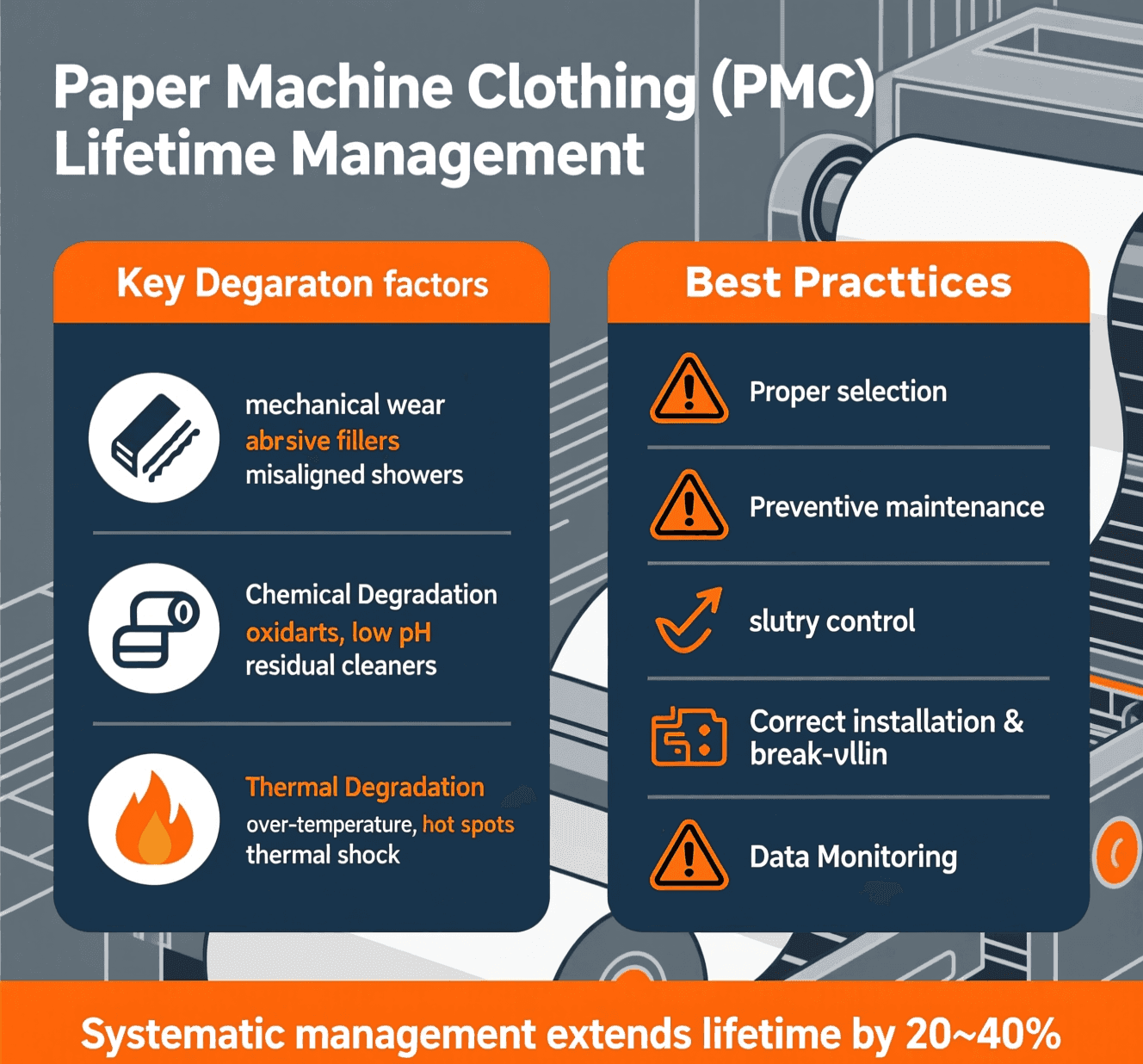
How to Extend Paper Machine Clothing Service Life
Understand the key factors affecting fabric life and discover practical tips for extending replacement intervals.

Top 5 Tips for Paper Mill Managers Selecting PMC Fabrics
Five practical checks for selecting paper machine clothing from machine position, furnish, operating data, baseline performance and measured total cost.